Showing posts with label 1970s. Show all posts

Monday, November 8, 2021

Information: The DC Appleverse

History of the DC Appleverse
The DC Appleverse has origins tracing back to late 1973 when Ilya Salkind conceived the idea for a Superman film and eventually, come November 1974, the rights were purchased by Ilya, his father Alexander and their partner Pierre Spengler. Michael Lindsay-Hogg of Apple Films would later meet with the Salkinds, having done much research on the character of Superman and DC Comics, and would offer to have Apple co-produce Superman. Although Apple was known mainly for musical acts such as the Beatles, Crosby, Stills, Nash & Young, Fleetwood Mac and Smile, it was also beginning to get taken seriously as a film production company with the likes of Willy Wonka and the Chocolate Factory, Blazing Saddles and Monty Python and the Holy Grail.

Originally, two Superman films were considered, but if both proved to be successful, then Apple Films would have the full rights to co-produce other films based upon other DC properties. Both films were successful, and while films being based around the characters of Batman and Wonder Woman, so were films based upon the Flash and Green Lantern. Eventually, discussions arose into suggesting that the films be all part of the same universe, eventually leading to the production of 1985's Justice League, the tenth film of the Appleverse both in production and chronology. Currently, plans are in place for a second Justice League film featuring the Legion of Doom led by Lex Luthor, and alongside that, plans for another film each about the Flash (Reverse) and Green Lantern (Emerald Knights) along with standalone films about Supergirl, Aquaman and Martian Manhunter, as well as a third Batman film featuring Poison Ivy (to be played by Madeline Kahn) and Two-Face (Billy Dee Williams) as the villains.

Chronology of Events

Wonder Woman (released August 1981; takes place in 1944, ending in 1980)
United States army pilot Steve Trevor lands himself in Paradise Island, a segregated land of women, and meets one of its residents, Diana, the daughter of Queen Hippolyta. After explaining that the world of man is under war, Steve brings Diana to the world outside of Paradise Island, the latter believing that the god of war Ares is responsible for the cause of the war. Along the way, Diana encounters Baroness Paula von Gunther, a cold-blooded Nazi spy for Hitler, who pretends to ally with her and Steve so she can kill them; unknown to everyone, however, she is a pawn in Ares' game to exterminate Diana, who is later revealed to be the daughter of Zeus and Hippolyta. In the end, the Baroness and Ares are killed, and the war comes to an end following the collapse of Nazi Germany. In the present day, Diana reunites with an elderly Steve Trevor, and they see a bat-shaped signal in the sky, with Diana going off to see what it could mean.

Superman (released December 1978; takes place in 1949-1979)
Krypton is under threat of destruction when its red supergiant sun goes supernova, and so Jor-El sends his infant son Kal-El to Earth on a spaceship, where his dense molecular structure would give him superhuman strength and other powers. Kal-El is raised by Jonathan and Martha Kent in Smallville, Kansas, and given the name Clark Kent. After his father dies, Clark journeys to the Fortress of Solitude where he meets a hologram of Jor-El, living there for twelve years to learn about his reason for being sent to Earth. Returning to society, Clark Kent becomes a reporter for the Daily Planet in Metropolis, where he meets Lois Lane and develops a romantic attraction for her. When she gets involved in a helicopter accident, Clark uses his powers publicly for the first time and rescues her before helping other citizens in need and stopping criminals in their tracks, being given the name "Superman" by Lois.

Meanwhile, criminal genius Lex Luthor, along with his minions Otis and Miss Teschmacher, learns of a joint nuclear missile test between the U.S. Army and U.S. Navy and reprograms one of the missiles to detonate in the San Andreas Fault. Knowing that Superman could defeat him, Lex and his accomplices retrieve a piece of unknown mineral from a meteor from the planet Krypton and expose it to Superman after luring him to their lair, weakening him. Teschmacher betrays Luthor upon learning that the eastbound missile could kill her mother, who lives in Hackensack, New Jersey, and she frees Superman, who sends the eastbound missile into outer space. Not fast enough to stop the westbound missile from hitting the San Andreas Fault, Superman is still able to mitigate the effects by sealing the fault line, and even saves Lois from suffocating when her car falls into a crevice from one of the aftershocks. Afterwards, Superman brings Luthor and Otis to prison.

Wonder Woman II (released October 1984; takes place in 1979)
Over the years following the end of World War II, and Diana Prince has taken up residency in Washington, D.C., becoming roommates with a dancer and philanthropist with a split personality by the name of Priscilla Rich. At first, the two women get along well with each other, but when Priscilla sees Wonder Woman (unknown to her, actually Diana) save a child from getting hurt at a charity event, she becomes envious and wishes that she was as good as Wonder Woman. Over time, Priscilla becomes increasingly disheveled before she finally becomes the Cheetah.

Cheetah frames Wonder Woman for a bank robbery and tips off the police before setting fire to a warehouse that Wonder Woman is in, but she manages to survive and escape because of her fireproof armor. She manages to follow Priscilla to Paradise Island where the villain holds Queen Hippolyta hostage. Cheetah and Wonder Woman battle for control of Paradise Island, with the former defeated when Hippolyta's magical girdle is taken off of her. Priscilla requests to remain on Paradise Island until she can control her split personality while Diana returns to Washington, D.C., where reads a news article about Superman sealing the San Andreas fault line after Lex Luthor's hijacking of a nuclear missile to detonate in it. This piques Diana's interest, wondering how many other superheroes are in man's world.

Superman II (released December 1979; takes place in 1979)
In the cold opening on Krypton, General Zod, Ursa and Non are sentenced to eternal banishment inside the Phantom Zone by Jor-El for insurrection and murder, amongst other crimes. Thirty years later, Superman unknowingly frees the villains from the Phantom Zone when he diverts one of the missiles into outer space as depicted in the first film. Lois Lane suspects that Clark Kent and Superman are the same person, and when they pose as newlyweds to investigate a scam at Niagara Falls, she tricks Clark into confessing that he is Superman. Afterward, Superman transforms himself into a human by exposing himself to red Kryptonian sunlight which removes his powers. Meanwhile, Lex Luthor escapes prison and discovers the Fortress of Solitude, even tracking down Zod and his minions, after hearing of the impending doom they will bring to Earth, who have taken over the White House in Washington D.C..

When he hears of Zod's conquest of the world, Clark returns to the Fortress of Solitude to restore his powers, even fulfilling the Kryptonian prophecy of "the father becoming the son", but it is at the cost of sacrificing the remaining Kryptonian energy, rendering the Fortress inoperable. Meanwhile, Lex Luthor teams up with Zod and his minions to find Superman, even using Lois as bait. After an intensive fight in and over Metropolis, Superman flies to the Fortress of Solitude, feigning defeat to the villains. It turns out that he has altered the process to expose Zod, Ursa and Non instead, rendering them powerless while Superman retains his. With the villains defeated, Superman and Lois have a tearful goodbye, realizing that a relationship simply wouldn't work between them, but to undo everything, Superman spins the Earth back in time by a few days, meaning that Zod, Ursa and Non will have never escaped from the Phantom Zone.

Batman (released December 1982; takes place in 1980)
In Gotham City, vigilante Batman stops a bank robbery orchestrated by a criminal known as the Joker, but he manages to escape before Batman can catch him. Later, billionaire Bruce Wayne - also Batman - attends a circus performance by the Flying Graysons, but a bomb is detonated, killing John and Mary, but their son Dick survives and Bruce takes him in under his wing, emphasizing with the young boy's plight over losing his parents. It's later revealed that it was the Joker who detonated the bomb unless Batman revealed himself. At that time, photojournalist Vicki Vale is investigating to see who Batman really is, and starts dating Bruce Wayne.

The Joker continues to wreak havoc across Gotham City as it approaches its bicentennial, including putting district attorney Harvey Dent out of commission and vandalizing the Museum of Art. Police Commissioner Jim Gordon teams up with Batman to stop the Clown Prince of Crime in his tracks, and Dick learns what it means to be a hero, taking on the identity of Robin. While the celebrations go on, Batman and Robin confront the Joker on the top of a cathedral where he holds Vicki Vale hostage; the villain attempts to get Robin to kill him so he could "avenge his parents", but the young boy resists, and the Joker is arrested and sent to Arkham Asylum.

The Flash (released August 1982; takes place in 1980)
Barry Allen, a young forensic chemist, is living with a single father in Central City and has the unfortunate reputation for constantly running late, although he does everything possible to impress his crush, Iris West. One night, Barry gets drenched with unspecified chemicals due to a lightning bolt strike and he gains the ability to run at super-human speeds. Meanwhile, a man by the name of Leonard Snart lives in an ice truck and learns about the new superhero called The Flash in a newspaper article, wondering how he could stop the young superhero in his tracks - literally. He breaks into a cyclotron lab and designs a weapon to harness the power of freezing, donning the identity of Captain Cold.

Captain Cold then commits a series of crimes across Central City - fortunately, no one is killed - and tries to take Iris as his bride, but Barry comes to her rescue and sends his archenemy to prison. Both Barry and Iris fall in love, and some time after the attack, Iris meets up with fellow reporter Lois Lane, and the latter asks the former if she knows of anyone with super abilities themselves, having heard of the Flash vs. Cold battle from Metropolis.

Batman and Robin (released July 1984; takes place in 1981)
Following the Joker's arrest, a relationship between billionaire Bruce Wayne and journalist Vicki Vale had not worked out, with Bruce instead putting his attention on looking after his ward Richard "Dick" Grayson. However, the pair meet with a young woman by the name of Selina Kyle who becomes enamored with Bruce, much to Dick's disgust, which puts a strain on their relationship. Unknown to either of them (although Dick finds out first), she is actually a burglar who goes by the name of Catwoman, and is working under a mobster by the name of Oswald Cobblepot, who goes by the moniker "Penguin".

Bruce and Dick's relationship gets strained to the point that they argue over whether or not Selina should be trusted or not. In a desperate attempt to prove himself right, Robin goes off to hunt Catwoman down and have her arrested, only to be held at ransom by the Penguin and his goons. When Bruce hears of Robin's capture, he goes after his ward as Batman, leading to a final battle that ends with the Penguin being killed by Catwoman as revenge for turning on her. It is there that Batman unmasks himself in front of Catwoman, revealing himself to be Bruce Wayne and that Robin is Dick Grayson. Bruce and Selina part ways (but not without sneaking in one final kiss) while the former repairs his relationship with Dick. Some time later, Batman encounters a man in a blue suit with a red cape, wondering what his purpose is here on Earth.

Superman III (released June 1983; takes place in 1981)
A mysterious asteroid lands on Earth, which prompts interest from Clark Kent; it turns out to be a space pod from the planet Colu, and its sole occupant is a young woman by the name of Kara Zor-El, who takes on the civilian identity of Linda Danvers, who is later revealed to be Clark's cousin. A flashback reveals that when Krypton exploded, Kara was originally meant to arrive on Earth alongside the baby Kal-El, but her space pod had been knocked off course and she ended up in suspended animation for over twenty years before landing in Colu instead, where she is raised by Brainiac who becomes her surrogate father. While Linda adjusts to life on Earth, she and Clark come across an impish trickster from the fifth dimension known as Mr. Mxyzptlk, who uses his abilities to play pranks.

Some time later, Brainiac lands on Earth, having followed Linda the whole time, hoping that she'll use her abilities to cause destruction, but thanks to Clark's guiding hand, she's using them for good, and if even dubbed "Supergirl" in the press. In retaliation, Brainiac uses a personality machine to corrupt and manipulate Superman, therefore turning him evil. Supergirl fights him and with the help of Lois Lane, restores Superman back to good. A final battle with Brainiac then commences after the group time travels to a fiefdom in the Middle Ages that the villain has taken over, leading to him getting stuck there while the heroes return to the present. At a café, Clark and Linda meet up with Mr. Mxyzptlk (who had helped them travel back to the present) who gives them a cryptic warning about a greater evil coming to Earth.

Green Lantern (released October 1983; takes place in 1982)
Following the funeral of his father during a failed rescue mission, a young Hal Jordan becomes determined to honor his legacy in any way he can. Years later, Hal finds himself working for Ferris Aircraft in Coast City and becomes enamored with the co-founder's daughter Carol (who eventually takes over the company when her father is removed from power). One day, a ship crashes onto Earth near Coast City, and Hal encounters the dying pilot, an alien named Abin Sur who is a member of the Green Lantern Corps, serving to protect all life in Space Sector 2814, where Earth is. When Abin Sur dies, his power ring chooses Hal for his ability to overcome great fear, and he vows to honor Abin Sur's wishes. Hal then meets with Green Lantern leader Sinestro, who explains the history of the corporation to him.

Meanwhile, a criminal by the name of Hector Hammond discovers the fragments of an unusual meteor in Africa in which nearby plants have evolved rapidly, and so he kidnaps four scientists and exposes them to the meteor's radiation, evolving their intellect to which Hammond forces them to create amazing new inventions. Hammond quickly becomes a celebrity thanks to this newfound profit, which catches the interest of Hal and his friend Thomas Kalmaku, who helps him out by doubling as the Green Lantern with a duplicate power ring and costume. Hammond thinks Thomas is Hal and after capturing him, steals his ring and turns him into a monkey. The real Hal then confronts Hammond and a battle between them ensures, with Hammond losing when the charge of his ring runs out, and Thomas and the scientists are restored to normal. Some time after the final battle, Hal and Carol run into Barry Allen, who tells them that he's been travelling the country looking for some of the biggest heroes to prepare for a big threat against the world.

Justice League (released May 1985; takes place in 1983)
For the past few years, Diana Prince has been travelling the United States, trying to learn more about the superheroes that currently reside in man's world. At the same time, Clark Kent is left wondering about the cryptic warning concerning a greater evil coming to Earth, and Bruce Wayne is trying to learn more about the mysterious flying man in the blue suit. By sheer coincidence, Clark and Bruce meet up at a party being hosted at Wayne Manor, and both encounter Diana there as well, who gets the two men in a private room where she reveals herself to be Wonder Woman and explains about her quest to find other superheroes in the United States. Both Clark and Bruce agree to aid Diana in forming a superhero league.

Meanwhile, at Coast City, Barry Allen and Hal Jordan respectively encounter a half-human, half-Atlantean man by the name of Arthur Curry and a Martian known as J'onn J'onzz. Barry and Hal both talk about their findings and invite Arthur and J'onn to partner up and form a team themselves. Unknown to the heroes, however, Steppenwolf, a New God from Apokolips, is leading a horde of Parademons to Earth to find Superman and destroy him, under the command on his nephew Darkseid.

Superman, Batman and Wonder Woman battle the Parademons when they invade Metropolis, but they are quickly outnumbered. Just as Steppenwolf is about to finish off Superman, he is stopped by the sudden arrival of the Flash, Green Lantern, Aquaman and Martian Manhunter, along with the assistance of Supergirl and Robin. Instead of finishing off Steppenwolf, the villain returns to Apokolips to face his punishment at his failure to accomplish his goal. The Flash then explains that they heard about the impending invasion at Metropolis through Robin, which was how they were able to get there quickly. With Earth's heroes together for the first time, they form the Justice League and begin a new quest to not only protect the Earth, but find new superheroes to help them do so.

In the post-credits scene, Steppenwolf faces the wrath of Darkseid, who announces that when the time comes, he will be coming to Earth.

Cast for the DC Appleverse

The Heroes
  • Christopher Reeve as Kal-El / Clark Kent / Superman
    • Jeff East as teenage Clark Kent
  • John Travolta as Bruce Wayne / Batman
  • Elizabeth Peña as Diana Prince / Wonder Woman
  • Thomas F. Wilson as Barry Allen / The Flash
  • Jeff Goldblum as Hal Jordan / Green Lantern
  • Tom Cruise as Dick Grayson / Robin
  • Helen Slater as Kara Zor-El / Linda Danvers / Supergirl
  • Rutgar Haur as Arthur Curry / Aquaman
  • Carel Struycken as J'onn J'onzz / Martian Manhunter
Superhero Allies
  • Margot Kidder as Lois Lane
  • Jackie Cooper as Perry White
  • Marc McClure as Jimmy Olsen
  • Glenn Ford as Jonathan Kent
  • Phyllis Thaxter as Martha Kent
  • Marlon Brando as Jor-El
  • Susannah York as Lara
  • E.G. Marshall as the President of the United States
  • Dudley Moore as Mr. Mxyzptlk
  • John Schneider as Steve Trevor
  • Raquel Welch as Queen Hippolyta
  • Michelle Pfeiffer as Iris West
  • Harvey Keitel as Commissioner Jim Gordon
  • Peter Cushing as Alfred Pennyworth
  • Diane Keaton as Vicki Vale
  • Billy Dee Williams as Harvey Dent
  • Barbara Bach as Selina Kyle / Catwoman
  • Geena Davis as Carol Ferris
  • John de Lancie as Sinestro / Green Lantern
  • John Getz as Thomas Kalmaku
  • Paul Newman as Martin Jordan
The Villains
  • Gene Hackman as Lex Luthor
  • Terence Stamp as General Zod
  • Patrick Stewart as Brainiac
  • Sigourney Weaver as Paula von Gunther
  • Ian McKellen as Ares
  • Sharon Stone as Priscilla Rich / Cheetah
  • Al Pacino as Leonard Snart / Captain Cold
  • Robert de Niro as The Joker
  • Donald Pleasence as Oswald Cobblepot / Penguin
  • Geoffrey Rush as Hector Hammond
  • Christopher Lee as Steppenwolf
  • Liam Neeson as Darkseid
Supervillain Minions
  • Ned Beatty as Otis
  • Valerie Perrine as Eve Teschmacher
  • Sarah Douglas as Ursa
  • Jack O'Halloran as Non
Author's Comments

Not much to say about this one. It's basically a recapping of the films that have taken place thus far (with links as to which chapters they originated from) along with a casting list for the major players to date.

Monday, December 14, 2020

Chapter 66: Hit Me With Your Best Shot (January 1978 - December 1980)

General Affairs for Apple Corps Ltd.
"Would you care for a rat, or...?" The famous climax of the final Fawlty Towers episode, Basil the Rat, in which the inspector Mr. Carnegie spots the titular rat in a tin of biscuits. The episode premiered on 25 October 1979, the delay was caused by a strike taking place at the BBC.
By the start of the 1970s, Apple Corps had mainly focused on putting out music. As the decade drew to a close, with the inclusion of Highway 61 Records and Swan Song Records as subsidiaries, Apple appeared to rival Berry Gordy, the head honcho of Motown, for a monopoly on the popular music industry. Not only that, they were greatly expanding on their role in the film industry, following the success of Mel Brooks' Blazing Saddles and Young Frankenstein, as well as the two Superman movies starring Christopher Reeve. It was inevitable that Apple Television would grow as well, with the second and final series of Fawlty Towers airing in February and March of 1979, with the final episode Basil the Rat premiering on 25 October that same year. Despite the popularity of the show, creator John Cleese (who also portrayed Basil Fawlty) had no intentions of writing a third series.

In the meantime, Apple Television focused mainly on comedies, which would include the likes of Not the Nine O'Clock News, Blackadder, The Comic Strip Presents...Only Fools and Horses'Allo 'Allo!, and The Young Ones. Many of the actors involved would be part of the growing Apple family for years to come. But one of their most famous productions would not be a comedy aimed at the adult audience, but rather, it would be aimed at a more general audience, mainly children.

In 1979, Reverend Wilbert Awdry was interviewed on the Bluebell Railway for a documentary on steam railways. One of the producers, Britt Allcroft, had read some of his Railway Series books for research before meeting him, and after becoming fascinated with the characters and stories, she offered to adapt them into a television series. Awdry was skeptical at first, even telling Allcroft that two previous attempts at adapting the books had failed. In 1953, the BBC had attempted to adapt The Sad Story of Henry, narrated by Julia Lang and directed by Douglas Mair. The 14 June broadcast was a disaster, especially when the model representing the character Henry the Green Engine derailed at a set of points, and a hand could be seen putting it back on the rails again. It was such an embarrassment that the 28 June broadcast was cancelled, and the footage of the 14 June broadcast was lost to time.

Brian Cosgrove animating what was supposed to be a pilot for Andrew Lloyd Webber's adaptation of the Reverend Wilbert Awdry's Railway Series books, 18 October 1976. Because of the books' scarcity in the United States, the market was uninterested, and so the project was cancelled. The pilot's fate is currently unknown.
The other previous attempt came from Andrew Lloyd Webber, a fan of the books, in 1973, wanting to produce a musical television series. A pilot episode had been produced, but by 1977, following the success of his musical Evita, Lloyd Webber had abandoned the project, focusing instead on theatrical musical productions under the Really Useful Company, named for a catchphrase in the books. "Once the Americans get hold of it, the whole series would be vulgarized and ruined!" Awdry was reported to have said.

Despite the warnings, Allcroft was undeterred and pursued the idea, hoping to source finances for production. Apple Corps were keen to provide the money and allow Allcroft to have full creative control. By the end of 1980, she was financially able to begin producing a show based upon the Railway Series, featuring many iconic characters including a certain little blue tank engine with six small wheels, a short stumpy funnel, a short stumpy boiler, and a short stumpy dome. She would even assemble a crew including director David Mitton (who suggested using live action model animation a la Gerry Anderson) and composers Mike O'Donnell and Junior Campbell; however, it would be a long time before the world finally got to see Thomas and his friends on television for the first time.

Apple Corps Executives, December 1980
Managing Director and Chairman of the Board: Brian Epstein
Vice Presidents: Peter Brown, Lord Beeching
Director Communications: Derek Taylor
General Counsels: Lee and John Eastman

Apple Records
President: Ron Kass
Vice President: Jack Oliver
Director of A&R: Jake Riviera
Director of Promotion and Marketing: Tony Bramwell
Director of Design: Josh Kosh
Studio Manager, Apple Studios: Geoff Emerick
Other Notable Figures: Mal Evans, Roy Thomas Baker

Apple Films and Apple Television
President: Denis O'Brien
Other Notable Figures: Michael Lindsay-Hogg, Mel Brooks, John Cleese, Terry Jones, Richard Donner, John Lloyd, Rowan Atkinson, David Mitton, Britt Allcroft

Apple Management
Director: Neil Aspinall
Associate Director: Mal Evans

Apple Publishing
Director: Alistair Taylor

Highway 61 Records
President: Jack Oliver
Vice President: Chris O'Dell
Directors of A&R: Pete Ham, Dennis Wilson

Swan Song Records
President: Peter Grant
Vice President: Alan Callan
Director of A&R: Dave Edmunds

The Artists of Apple Records

Old Signings
Elvis Costello performing live, 1978.
Jake Riviera's 1976 signings all achieved varying degrees of success, mostly within the positive range. The Clash's London Calling was regarded as one of the best albums of 1979 despite stalling out at #2 in the United Kingdom, and all three of Elvis Costello's albums (This Year's Model, Armed Forces and Get Happy!!) with his new backing band, the Attractions, hit #1 there as well, and his biggest singles included "Radio Radio", "Oliver's Army" and "I Can't Stand Up for Falling Down". When performing on Saturday Night Live in 1977, Costello had been scheduled to perform "Less Than Zero", but he switched at the last minute to "Radio Radio" instead, resulting in him being banned from SNL until the end of the 1980s.

In the midst of producing for some of Apple's newer artists, Nick Lowe released Jesus of Cool and Labour of Lust, along with singles such as "I Love the Sound of Breaking Glass". The Damned (Machine Gun Etiqutte, The Black Album, the single "Love Song"), the Jam (All Mod Cons, Setting Sons, Sound Affects, the single "Going Underground") and Motörhead (Overkill, Bomber, Ace of Spades) all also achieved Top 10 success. But as for Wreckless Eric, his sophomore album The Wonderful World of Wreckless Eric did not achieve the success of his debut album despite the single "Take the K.A.S.H." His last single under Apple Records was "Broken Doll", released March 1980.

Michael Jackson, 1979.
Most of Apple's veterans were still achieving success at the turn of the decade. A Single Man, The Thom Bell Sessions[1] and 21 and 33 were all Top 20 hits for Elton John and produced the likes of "Song for Guy", "Are You Ready for Love" and "Little Jeannie". It seemed as though the Rocket Man himself was unstoppable even as the world of music evolved. Splinter, meanwhile, still had success in the United Kingdom with Streets at Night and their eponymous 1980 album while struggling to break ground around other parts of the world, including the United States. Even though he was now a member of Yes, now contracted to Swan Song Records, Vangelis was still a part of the Apple roster, continuing to put out electronica albums Beaubourg, China and See You Later.

It was Michael Jackson who had some of the biggest success for Apple at the end of the 1970s with his first post-Motown album, Off the Wall, with the liner notes including a dedication to Diana Ross following her murder at the hands of Sid Vicious and Nancy Spungen in 1978. The lead single, "Don't Stop 'Til You Get Enough", was the biggest off of the album, later followed up by "Rock with You", "Off the Wall" and "She's Out of My Life". Although it was only released as a single in the United Kingdom, "Girlfriend" was given to Jackson by Paul McCartney for the album after it was demoed with the rest of Smile.

New Signings
Madness, 1979.
Madness and Tenpole Tudor were the only new signings by Jake Riviera for the remainder of the 1970s, both in 1979. When asked why he didn't sign up new artists in the previous two years, Riviera explained that he wanted Apple's newest signings to allow themselves to show off what they were capable of to see how well the punk scene would be received. With many of its artists achieving success in the United Kingdom, presumably because they were signed up to a label founded by the Beatles a decade prior, the label felt confident enough in signing on more punk and new-wave groups.

Apple Artists, as of December 1980
  • The Beatles (since 1968; contracted to EMI from 1968-1976)
    • George Harrison, John Lennon and Ringo Starr as The Ladders (1970-1976)
    • George Harrison and Ringo Starr as The Dark Horses (1977-1980)
    • Paul McCartney (1971-1980; affiliated with Smile 1972-1980)
  • David Bowie (since 1971; member of The Rolling Stones 1969-1976)
  • Eric Clapton (since 1968; member of Cream 1968-1971, member of the Dark Horses 1977-1980)
  • The Clash (since 1976)
  • Elvis Costello (since 1976)
  • Crosby, Stills & Nash (since 1968; with Neil Young 1969-1977)
    • Stephen Stills & Manassas (1971-1973; solo albums released on Highway 61 Records 1975-1976)
    • Neil Young (1971; solo works released on Highway 61 Records since 1973)
    • David Crosby and Graham Nash as Crosby & Nash (1972-1976)
  • The Damned (since 1976)
  • Electric Light Orchestra (since 1970)
  • Fleetwood Mac (since 1968)
  • Michael Jackson (since 1971; contracted to Motown from 1971-1975)
  • The Jam (since 1976)
  • Elton John (since 1969)
  • Denny Laine & Wings (since 1980)
  • Nick Lowe (since 1976)
  • Madness (since 1979)
  • Freddie Mercury (since 1973; member of Smile since 1980)
  • Motörhead (since 1976)
  • The Rolling Stones (since 1970)
    • Bill Wyman (1974, 1976)
  • Smile (since 1969; affiliated with Paul McCartney 1972-1980)
  • Splinter (since 1973)
  • Tenpole Tudor (since 1979)
  • Vangelis (since 1972; member of Aphrodite's Child 1967-1972, member of the Dark Horses 1977-1980, member of Yes since 1980)
Departed Apple Artists
  • Aphrodite's Child (1970-1972)
  • Badfinger (1968-1975)
  • Brute Force (1969)
  • Delaney & Bonnie (1969-1972)
  • Cream (1968-1971)
  • Chris Hodge (1972-1973)
  • Mary Hopkin (1968-1972)
  • Hot Chocolate (1969)
  • Radha Krishna Temple (1969)
  • Jackie Lomax (1968-1975)
  • Jimmy McCulloch and White Line (1975-1977)
  • Nazareth (1972-1975)
  • Yoko Ono (1969-1973)
  • Billy Preston (1969-1977)
  • Sex Pistols (1976-1979)
  • Ronnie Spector (1971-1972)
  • The Sundown Playboys (1972)
  • White Trash (1969)
  • Doris Troy (1969-1971)
  • Lon and Derrek Van Eaton (1972-1973)
  • Wreckless Eric (1976-1980)

The Artists of Highway 61 Records

Old Signings
Bob Dylan, 1979.
Highway 61 Records saw three departures by the end of 1978; Attitudes had broken up, as would Boxer due to Mike Patto's death from lymphatic leukemia on 4 March 1979, and Kiki Dee would leave before her last single under the label, "One Jump Ahead of the Storm", had come out. But what about those who would stay on? Bob Dylan had once again departed from his folksy roots with Street-Legal, and would convert to Christianity, which influenced the sound of Slow Train Coming and Saved, the latter of which would be regarded as one of his worst ever albums.

Dave Edmunds was kept busy producing for artists on both Highway 61 and Swan Song Records, but still found the time for releases such as Tracks on Wax 4 and Repeat When Necessary on the former label, as well as Seconds of Pleasure with Rockpile. Cliff Richard continued to have Top 40 hits in the United Kingdom, his biggest hit during that period being "We Don't Talk Anymore". Likewise, Supertramap's Breakfast in America had reached #1 in the United States, and its singles were also Top 20 hits there as well. Although Tina Turner had achieved minor success with Rough and Love Explosion, it would be a few years before she had a career resurgence.

Heart stayed on with Highway 61 Records even after the controversy surrounding the media over rumors of an incestuous relationship between Ann and Nancy Wilson, and even achieved success with Dog and Butterfly and Bébé le Strange. Rod Stewart, The Ramones and Patti Smith also achieved similar chart success. Harry Nilsson would put out Flash Harry in 1980, and it would be the last album released in his lifetime, with Losst and Founnd coming out in 1995, the year after his death from heart attack.[2]

Cheap Trick, 1978.
Cheap Trick's most successful album of the period was Dream Police, with the title track even hitting the Top 20 for three non-consecutive weeks. Likewise, the Talking Heads found success gradually growing from More Songs About Buildings and Food to Fear of Music to Remain in Light, the latter of which finally hit the Top 10 in America. Michael Jackson still found time to record with the Jacksons on Destiny and Triumph, though they would release albums sporadically due to Michael putting a solo career first. Apple veteran James Taylor released Flag in May 1979, his only major release during that period.

Toto released their eponymous debut album in October 1978, backed by the lead single "Hold the Line". Their work with Dennis Wilson would then carry over onto the follow up album Hydra and its main single "99", and then Turn Back, though it wouldn't be released until next year. Wilson also employed some of the members of Toto for his next solo album Bambu, and although it didn't achieve much success at the time, it would gradually gain a cult following.

New Signings
The Cars, 1979.
Colin Blunstone had signed onto Highway 61 Records for two albums; Never Even Thought and Late Nights in Soho. Afterwards, he left the label and disappeared from the music scene until the 1990s. His loss was more than made up for by bringing in the Cars ("Just What I Needed", "Let's Go", "Touch and Go") and Johnny Warman ("Head On Collision", "Automatic Kids") in 1978. This was later followed up by Huey Lewis and the News ("Exo-Disco", "Some of My Lies Are True") and the Lambrettas ("Go Steady", "Poison Ivy") in 1979 and 1980, respectively.

By that time, there was a rise of female pop artists that would soon carry over into the new decade. Pat Benatar's In the Heat of the Night and Crimes of Passion brought forth hits such as "Heartbreaker" and "Hit Me With Your Best Shot" which were Top 20 hits. Californian new wave group the Go-Go's would soon become the first all-female band that not only wrote their own songs, but played their own instruments as well, being fronted by vocalist Belinda Carlisle.

Highway 61 Artists, as of December 1980
  • Pat Benatar (since 1979)
  • Junior Campbell (since 1976; no new recordings since 1978)
  • The Cars (since 1978)
  • Cheap Trick (since 1976)
  • Bob Dylan (since 1973)
  • Dave Edmunds (since 1973; also contracted to Swan Song Records)
  • The Go-Go's (since 1980)
  • Heart (since 1975)
  • The Jacksons (since 1976)
  • The Lambrettas (since 1980)
  • Huey Lewis and the News (since 1979)
  • Harry Nilsson (since 1975)
  • Tom Petty & Mudcrutch (since 1974)
  • Ramones (since 1975)
  • Lou Reed (since 1976; member of Hunky Dory 1972-1978)
  • Cliff Richard (since 1973)
  • Patti Smith (since 1975)
  • Rod Stewart (since 1975)
  • Stephen Stills (since 1975; also contracted to Apple Records)
  • Supertramp (since 1974)
  • Talking Heads (since 1976)
  • James Taylor (since 1976; part of Apple Records 1968-1976)
  • Peter Tork (since 1973)
  • Toto (since 1977)
  • Tina Turner (since 1974; on hiatus)
  • Johnny Warman (since 1978)
  • Dennis Wilson (since 1975)
  • Ronnie Wood (since 1974; member of the Rolling Stones since 1975; member of the Dark Horses 1977-1980)
  • Neil Young (since 1973; also contracted to Apple Records)
Departed Highway 61 Artists
  • Attitudes (1976-1978)
  • Colin Blunstone (1978-1980)
  • Boxer (1975-1978)
  • Kiki Dee (1973-1978)
  • Hunky Dory (1976-1978)
  • L.A. Express (1973-1976)
  • Lynyrd Skynyrd (1973-1977)
  • Nigel Olsson (1974-1977)
  • Tom Scott (1973-1977)
  • Neil Sedaka (1974-1976)
  • Ravi Shankar (1973-1980)
  • Solution (1974-1977)
  • Stackridge (1973-1976)
  • Robert Wyatt (1976-1979; member of Hunky Dory 1972-1978)

The Artists of Swan Song Records

Old Signings
Kate Bush, 1980.
The only remaining artists from Swan Song Records pre-Apple acquisition (the Yardbirds notwithstanding) were Bad Company and Sad Café, both of which were still making hits from Desolation Angels and Facades, respectively. That wasn't to say that the artists they acquired from Highway 61 Records were any less successful; far from it. Aerosmith's Night in the Ruts was generally a hit among critics and fans, as were From the Inside and Flush the Fashion by Alice Cooper. Dr. John (City Lights, Tango Palace) and Blue Öyster Cult (Mirrors, Cultösaurus Erectus) were also generally successful, but it was Blondie who achieved the most success out of the transfers with four albums being released - Plastic Letters, Parallel Lines, Eat to the Beat and Autoamerican, the second of which produced the hit "Heart of Glass".

Scottish band Blue broke up after the release of Fool's Party and the album received no hits. Likewise, Detective had broken up with no new releases since 1977's It Takes One to Know One. On the other side of things, XTC had managed to achieve Top 40 success in the United Kingdom with White Music, Go 2, Drums and Wires and Black Sea, the latter of which even managed to breach the Top 40 in America.

Kate Bush achieved instant success when her debut single, "Wuthering Heights", topped the charts in the United Kingdom. Looking back retrospectively, Bush admitted that she didn't expect success this early, and was worried about being forced to make music and skip school. Fortunately, because she was in an understanding environment, Kate did not have to rush-release a new album following the success of The Kick Inside, and it's follow-up, Lionheart, would not be released until June 1979. Never for Ever would come out in September the following year.

New Signings
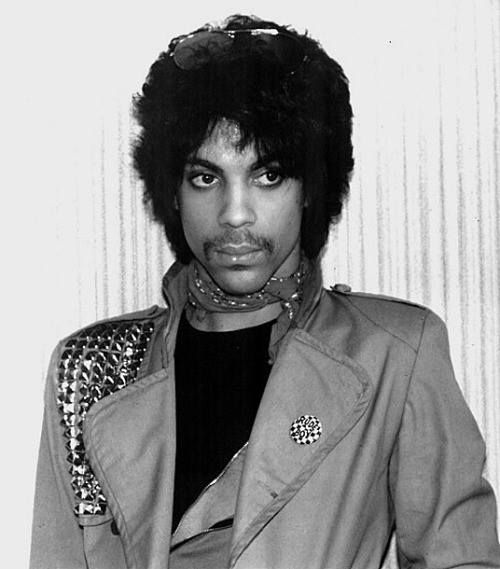
Prince, 1980.
Outside of the Buggles and former Hunky Dory members Kevin Ayers and Iggy Pop, 1978 saw the signing of Ohio-based band Devo, fronted by brothers Bob and Gerald Casale. Although their first three albums, Q: Are We Not Men? A: We Are Devo!, Duty Now for the Future and Freedom of Choice, were not Top 10 hits on either side of the Atlantic (although the first album came close at #12 in the United Kingdom), they still sold respectably and achieved hits such as "Whip It".

Prince Rogers Nelson - known mononymously as Prince - was destined for big things when he signed a record deal with Swan Song Records. Although his debut album, For You, didn't make much of a dent upon release, his 1979 eponymous album and 1980's Dirty Mind, however, did, with "I Wanna Be Your Lover" reaching the Top 10 in the United States, even topping the charts in the Hot R&B/Hip-Hop Songs.

1979 seemed to be a significant year for Swan Song Records as, with the exception of the Vapors, all of their new signings were female. Joan Jett and the Blackhearts (Bad Reputation), Brenda Russell (her eponymous debut album), Carly Simon (Come Upstairs) and Judie Tzuke (Welcome to the Cruise, Sports Car) all achieved success within the first year of being signed onto the label, with Simon having a bit of a career resurgence since departing Elektra Records. Now she was under a subsidiary of Apple much like her husband James Taylor. This was not to say that the Vapors were unsuccessful; New Clear Days did fairly well in the charts and with critics, as did the single "Turning Japanese", which even hit #3 in the United Kingdom.

Swan Song Artists, as of December 1980
  • Aerosmith (since 1977; part of Highway 61 Records 1973-1976)
  • Kevin Ayers (since 1978; part of Highway 61 Records 1976-1977)
  • Bad Company (since 1974)
  • Blondie (since 1977; part of Highway 61 Records 1976)
  • Blue Öyster Cult (since 1977; part of Highway 61 Records 1975-1976)
  • The Buggles (since 1978)
  • Kate Bush (since 1977)
  • Alice Cooper (since 1977; part of Highway 61 Records 1974-1976)
  • Devo (since 1978)
  • Dave Edmunds (since 1977; also contracted to Highway 61 Records)
  • Dr. John (since 1977; part of Highway 61 Records 1975-1976)
  • Genesis (since 1977; part of Highway 61 Records 1975-1976)
    • Tony Banks (since 1979)
    • Kim Beacon (since 1979)
    • Mike Rutherford (since 1979)
  • Joan Jett and the Blackhearts (since 1979)
  • Iggy Pop (since 1978; part of Highway 61 Records 1976-1977)
  • Prince (since 1978)
  • Brenda Russell (since 1979)
  • Sad Café (since 1976)
  • Carly Simon (since 1979)
  • Judie Tzuke (since 1979)
  • The Vapors (since 1979)
  • XTC (since 1977)
  • The Yardbirds (since 1974)
  • Yes (since 1980)
Departed Swan Song Artists
  • Blue (1977-1979)
  • Maggie Bell (1974-1976)
  • Detective (1977-1979)
  • The Pretty Things (1974-1976)

Various Artists - The Best of Apple Records Vol. 6: 1978-1980
Released: 20 November 2009
Recorded: 1977-1980
Producer: Various

Track listing
I Love the Sound of Breaking Glass [Nick Lowe]
Miss You [The Rolling Stones]
Radio Radio [Elvis Costello]
Take the Cash (K.A.S.H.) [Wreckless Eric]
The Great Rock 'N' Roll Swindle [The Sex Pistols ft. Eddie Tenpole]
Danger Zone [Splinter]
Love Comes to Everyone [The Ladders]
Love Song [The Damned]
Don't Bring Me Down [Electric Light Orchestra]
Don't Stop 'Til You Get Enough [Michael Jackson]
Think About Me [Fleetwood Mac]
Crazy Little Thing Called Love [Freddie Mercury]
London Calling [The Clash]
My Girl [Madness]
Going Underground [The Jam]
Little Jeannie [Elton John]
Thoroughfare Gap [Crosby, Stills & Nash]
Coming Up [Paul McCartney & Smile]
Ace of Spades [Motörhead]
Say You Don't Mind [Denny Laine & Wings]

Apple's sixth Best of compilation (#3 UK, #5 US) was all about the transition from one decade to another. There was a particular emphasis on punk and new-wave with many of its newer artists while the old guard either carried on with their own thing or attempted to adapt with the times with varied results. It remains to be seen how many of them will survive what the 1980s have in store for them.

Footnotes
  1. The Thom Bell Sessions replaces Victim of Love, which never gets recorded in this timeline.
  2. Losst and Founnd would not be released until 2019 in OTL.
Author's Comments

Well, here we go with the final chapter focusing on the 1978-1980 period of Phase Three! For the first time, an Apple update does not feature the discographies of the three labels. I was going to include them, but I decided to instead keep them on individual pages which you can see near the top of this page. Apple begins in 1968, Highway 61 in 1973, and Swan Song in 1974, with the post-Apple takeover discography from 1977 onward. And honestly, listing all the discographies for each artist is not a fun thing to do, and it comes off as a borderline chore. I want writing to be fun, and if I have to write up something just to get it posted online, then that's not something I want to do, voluntarily or otherwise.

There is one more Apple Corps update that I'll be working on much later, focusing on 1981-1983, and that could be a long while away. This will be the last post for 2020, as right now, I'm focusing on other projects unrelated to Strawberry Peppers, and I don't want to risk burning myself out. For the new year, posts might be a bit more sporadic to begin with, coming out every two or three weeks before returning to a regular schedule of two chapters per fortnight, with a weekly break in between, but I hope you understand where I'm going with this. For now, I want to wish you all a Merry Christmas, Happy New Year, and, well, happy holidays in general! Here's hoping 2021 will bring good things!

Monday, November 9, 2020

Chapter 63: Whole Wide World (September 1979 - August 1980)

September - October 1979
Small Faces, late 1970s (exact year taken unknown). Rick Wills is on the center-right.
DAVID GILMOUR: "We didn't know what to do next after doing Wish You Were Here. Roger had left Pink Floyd, and it almost seemed like it was the end for the group. Luckily, that wasn't the case. Nick was good friends with Robert Wyatt, and he insisted that we carry on despite Roger's departure. At the time, I was working with Rog on his biggest project to date, The Wall, and the Floyd was on a bit of an indefinite hiatus. I talked to Rick about it, and he agreed. But first, we had to find a new bassist." (2006)

The answer had come to Pink Floyd in the form of David Gilmour's good friend Rick Wills, who was a member of the reformed Small Faces, but had recently split up due to poor reviews and sales of their albums Playmates and 78 in the Shade. Wills had been asked to join Foreigner on bass guitar, but he declined due to his commitments with Pink Floyd. In addition, they were joined by Snowy White as their backing guitarist, reprising his role from the controversial In the Flesh Tour. Along with Robert Wyatt on percussion and additional vocals, the revamped Pink Floyd went into the studio that September to record their first post-Waters album.

RICK WRIGHT: "David and I each wrote some new material throughout 1978 and 1979, but it wasn't until the sessions for Mihalis that we actually recorded them. Nick also brought forth some material he'd written with jazz musician Carla Bley, and gave them to Robert to sing. The sessions went by very quickly, probably the most fun, healthy and relaxed that we had in a while. It really felt like a band effort again." (1995)

30 November 1979

Pink Floyd - Mihalis
Released: 30 November 1979
Recorded: September - October 1979
Producer: Pink Floyd

Track listing[1]
Side A
Mihalis
Against the Odds
Siam
Cat Cruise
So Far Away

Side B
Mediterranean C
Short and Sweet
Deafinitely
Summer Elegy
I'm a Mineralist

Prior to the release of Milhalis, Pink Floyd's situation was bad from an economic standpoint, and they were under a contractual obligation to release another album under Harvest Records, as was Roger Waters. Not only that, Gilmour, Wright and Mason were under constant pressure from being asked by fans, the press and fellow musicians as to why Waters had left the band. "You should ask him, not us!" they would usually reply, wanting to worry about other things, especially Wright, whose marriage with Juliette was falling apart, eventually divorcing in 1982.

The first album by the revamped Pink Floyd, Mihalis, finally came out at the end of November, topping the charts in the United Kingdom, and reaching #3 in the United States. It was preceded that same month with a non-album single, a cover of Unicorn's "There's No Way Out of Here" (whom Gilmour had produced for), which was a surprising success in the United Kingdom and Europe. It was later followed up by the album single "So Far Away"/"Against the Odds" (#4 UK, #11 US) in December. The album received positive reviews from critics, many of whom cited that the sound was different from what Pink Floyd had produced prior, mainly due to the jazz influences from Mason and Wright's songwriting as well as the presence of Carla Bley and Wyatt.

Half of Mihalis was instrumental, with "Against the Odds" being sung by Rick Wright, and David Gilmour ("So Far Away", "Short and Sweet") and Robert Wyatt ("Siam", "I'm a Mineralist") each singing two songs. With renewed energy, Pink Floyd looked set to continue for a long time despite the absence of founding member Roger Waters.

28 March 1980

Genesis - Duke
Released: 28 March 1980
Recorded: November - December 1979
Producer: Genesis and David Hentschel

Track listing[2]
Side A
Duke (Chapters 1-3)
Man of Our Times
Misunderstanding
Heathaze

Side B
Alone Tonight
Cul-de-Sac
Don't Let It Show
Duke (Chapters 4-6)

Duke marked the first album by Genesis as a trio, consisting of Tony Banks, Mike Rutherford and Kim Beacon. Phil Collins, the previous drummer, had left the group on amicable terms to play with the Who following Keith Moon's death, and had taken up residence in Vancouver, Canada to try and fix his marriage with Andrea Bertorelli. Sadly, this would end up in divorce the following year, and it would be four years before Collins re-married.

TONY BANKS: "Mike, Kim and I were feeling quite refreshed after putting out solo albums in 1979, establishing ourselves as solo artists outside of Genesis. But of course, the whole is greater than the sum of its parts." (2007)

Each member of the band contributed two songs; Banks brought forth "Heathaze" and "Cul-de-Sac", Rutherford "Man of Our Times" and "Alone Tonight", and Beacon "Don't Let It Show" as well as a co-write with Collins, "Misunderstanding". All three members brought forth ideas for the 28-minute epic "Duke", and it was originally going to take up the entirety of the first side while the second side would be entirely self-contained tracks; however, that felt too similar to Rutherford's Smallcreep's Day, which also had the same arrangement. Instead, it was split in half to bookend the album, beginning with chapters one through three and ending with chapters four through six, the latter portion of which included the hit "Turn It On Again".

Duke was Genesis' first #1 album in the United Kingdom, and it also ranked very highly in the United States at #4. Likewise, "Turn It On Again ('Duke' Chapter 4)"/"Evidence of Autumn" (8 March, #1 UK, #23 US) and "Misunderstanding"/"Open Door" (10 May, #7 UK, #4 US) were also big hits. Critical reception was also very positive, with many even saying it was their greatest album since Selling England by the Pound, possibly of the Beacon era of Genesis. The tour to support the album in the United Kingdom and North America from April to June was also hugely successful, with tickets selling out within hours.

9 May 1980

Roger Waters and the Bleeding Hearts Band - The Wall
Released: 9 May 1980
Recorded: December 1978 - January 1980
Producer: Roger Waters and Bob Ezrin

Track listing[3]
Side A
When the Tigers Broke Free
In the Flesh? (Behind These Cold Eyes)
The Thin Ice
Another Brick in the Wall (Reminiscing)
Goodbye Blue Sky
The Happiest Days of Our Lives
Another Brick in the Wall (Education)
Mother

Side B
Welcome to the Machine
Young Lust
One of My Turns
Don't Leave Me Now
What Shall We Do Now?
Another Brick in the Wall (Drugs)
Goodbye Cruel World

Side C
Hey You
Is There Anybody Out There?
Nobody Home
Vera
Bring the Boys Back Home
The Final Cut
Comfortably Numb

Side D
Who's Sorry Now?
In the Flesh (Isn't This Where We Came In?)
Run Like Hell
Waiting for the Worms
Stop
The Trial by Puppet
Outside the Wall (It's Never Too Late)

ROGER WATERS: "I was in a bad way after Syd died in that bus accident in Germany. Couple that with the [In the] Flesh Tour and leaving Pink Floyd, I felt distanced from everyone, even the rest of the band. That was why I ended up leaving, and I haven't looked back since. The Wall was inspired by all the shit I'd been through since I was a child." (1999)

With the help of producer Bob Ezrin, known for his work with Alice Cooper, Kiss and Peter Gabriel, Roger Waters set to work on his first solo album, tentatively titled Bricks in The Wall (the Bricks portion was later discarded). Along with Ezrin on keyboards and piano, Waters also brought in Gilmour on guitar and vocals (the latter even contributed an unfinished song that would eventually become "Comfortably Numb", as well as several other lyrical contributions and vocals to some songs), and Jeff Porcaro from Toto on drums. With the band assembled, recording had begun back in December 1978, and would last all the way into January 1980.

DAVID GILMOUR: "It was kind of relieving that Roger had left the band; Hitch Hiking felt more like a solo album than a Pink Floyd album, and had he stayed on, his obsession with concept albums would've dominated our sound, leaving me and Rick in the dust. Still, he would get pretty irritable if we didn't play to his liking, the nadir being which we got into an argument and I told him, 'Were you even like this when Syd was still alive? His death's had an impact on you, you know.' In hindsight, I wish I hadn't said that, and Roger got so angry that he told me to get out. I almost thought he take a guitar and shove it where the sun don't shine." (2006)

In his isolation from Waters following that outburst, Gilmour would record Mihalis with the rest of Pink Floyd, and a few days after the sessions had been completed, he received a phone call from Waters. "You were right, Dave," he said over the phone. "I've been nothing but a complete dick to everyone since Syd's death, and I can't apologize enough for my behavior." Gilmour apologized as well for the argument, and shortly afterward, he returned to the sessions for The Wall.

A live concert of The Wall, climaxing with the wall being knocked down, 1980.
ROGER WATERS: "David and the rest of Floyd put out Mihalis that November, and I was surprised that they were able to record and album, much less release it, and they were in a crisis that was a little bit worse than I was. I hadn't heard the album when it first came out, but when I finally got the chance to do so, I was impressed with what they had done. Maybe a few songs that I felt a bit iffy about, but still. I was glad that they were able to get out of this crisis, and they for me too." (2006)

The Wall was finally released on 9 May 1980, a little over five months since Pink Floyd's Mihalis. It had been preceded earlier that year with "Another Brick in the Wall (Education)" in January, which hit #1 in both the United Kingdom and the United States, and "Run Like Hell" in April. The third and final single, "Comfortably Numb", was later released in June. The Wall was a rock opera showing the struggles of a rock star by the name of Floyd Pinkerton, based upon Waters himself as well as Syd Barrett, building a metaphorical wall around himself, eventually isolating himself altogether from society.

Waters' debut solo album had received a mixed critical reception upon release, peaking at #10 in the United States but stalling out at #2 in the United Kingdom, but over time, reviews became mostly positive, even ending up at #87 on Rolling Stone's "500 Greatest Albums of All Time" list in 2003. Waters would later go on tour for The Wall, performing the album in its entirety and featuring elaborate theatrical effects. Pink Floyd, meanwhile, had also gone on their Mihalis Tour, even featuring Unicorn and Robert Wyatt as opening acts.

27 June 1980

Olivia Newton-John - Xanadu
Released: 27 June 1980
Recorded: 1979-1980
Producer: John Farrar and Jeff Lynne (track 4 only)

Track listing[4]
Side A
Magic
You Made Me Love You
Suddenly [w/ Cliff Richard]
Xanadu [w/ Electric Light Orchestra]

Side B
Suspended in Time
Dancin' [w/ The Tubes]
Fool Country
Whenever You're Away From Me [w/ Gene Kelly]

Xanadu was the latest Apple Films project, being directed by Robert Greenwald and starring Olivia Newton-John, Gene Kelly and Michael Beck. One of the Nine Muses of Olympus, Terpsichore, returns to Earth after a mural of the Muses is brought to life, and taking the identity Kira, she falls in love with a failing freelance artist named Sonny Malone, whose drawing had hit the mural after being thrown into the wind. Some roller-skating antics and musical moments ensure whenever possible.

The film was released on 8 August, several weeks following the release of the soundtrack featuring Olivia Newton-John's vocal performances, which would go on to help the film break even at the box office (about $41 million) despite the negative reception from critics. In later years, however, the film would gain cult following, and the soundtrack (#2 UK, #4 US) remained one of the best things about Xanadu. Twenty years later, Jeff Lynne would re-record the title track, even calling it his favorite song that he had ever written.

1 August 1980

Electric Light Orchestra - All Over the World
Released: 1 August 1980
Recorded: 1972-1980
Producer: Jeff Lynne and Roy Wood (tracks 1-5)

Track listing[5]
Side A
Baby, I Apologize
Everyone's Born to Die
Poor Boy (The Greenwood)
Dark City
One Summer Dream
Surrender
The Quick and the Daft
Latitude 88 North

Side B
Little Town Flirt
I'm Alive
Don't Walk Away
All Over the World
The Fall
Drum Dreams

Initially, the Electric Light Orchestra was going to put out an extended play featuring the songs they had performed for Xanadu, but upon remembering various outtakes recorded throughout 1972 to 1979 that never made it onto the albums or the compilation Light Years, Jeff Lynne decided instead upon another compilation album. Although All Over the World (#7 UK, #30 US) did not chart as highly as Xanadu did, it still holds up as a fine collection of outtakes, concluding with the five songs recorded for the film.

Summary of single releases from Xanadu
  • "Magic" / "Fool Country" by Olivia Newton-John - 23 May 1980 (#30 UK, #1 US)
  • "I'm Alive" / "Drum Dreams" by Electric Light Orchestra - 24 May 1980 (#11 UK, #6 US)
  • "Xanadu" (with Electric Light Orchestra) / "Whenever You're Away from Me" (with Gene Kelly) by Olivia Newton-John - 6 June 1980 (#1 UK, #2 US)
  • "All Over the World" / "The Fall" by Electric Light Orchestra - 2 August 1980 (#3 UK, #5 US)
  • "Suddenly" (with Cliff Richard) / "You Made Me Love You" by Olivia Newton John - 24 October 1980 (#11 UK, #18 US)
  • "Don't Walk Away" / "Little Town Flirt" by Electric Light Orchestra - 22 November 1980 (#16 UK)

Footnotes
  1. Tracks are sourced from David Gilmour's 1978 eponymous album, Rick Wright's Wet Dream and Nick Mason's Fictitious Sports. In addition, Snowy White played guitar on Wright's debut album, Rick Wills on bass guitar for Gilmour's, and Robert Wyatt for Mason's, further explaining why Pink Floyd became a sextet.
  2. All tracks are sourced from OTL's Duke, excluding "Don't Let It Show" from Kim Beacon's Talking to Myself. As usual, all songs are sung by Beacon, barring the instrumental "Duke's End". In addition, "Duke" in its entirety is this universe's equivalent to "Shine On You Crazy Diamond" by utilizing the bookend technique for the album. Chapters 1-3 consist of "Behind the Lines", "Duchess" and "Guide Vocal", while Chapters 4-6 consist of "Turn It On Again", "Duke's Travels" and "Duke's End".
  3. A fuller guide as to how I edited the album together can be found here.
  4. All tracks are sourced from the Xanadu soundtrack along with two Olivia-Newton John B-sides. "Fool Country" is the B-side to "Magic" in the United States, and "You Made Me Love You" is the B-side to "Suddenly".
  5. For Side A, the tracks are sourced from ELO 2, On the Third Day, Eldorado, Face the Music, A New World Record and Out of the Blue. For Side B, all tracks are sourced from the Xanadu soundtrack excluding "Little Town Flirt", sourced from Discovery. "Drum Dreams" is a non-album B-side to "I'm Alive" and "All Over the World".
Author's Comments

Finally, we leave the 70s behind and move into the 80s, which means that Strawberry Peppers is now forty years behind from today! And we got to that point in less than two years since starting in January 2019. Wow!

Pink Floyd continuing without Roger Waters is an interesting concept to explore for sure, and luckily for us, there's enough solo material by David Gilmour, Rick Wright and even from Nick Mason (assuming they also invited Robert Wyatt to join) to go down that rabbit hole. I've taken some influence from Mass' seemingly discontinued So You Think You Can Tell timeline and a bit from Auran's Gummaumma (though it's not as prominent as it was before) for that portion of the chapter.

Not much to say with Genesis here; things happen as they did, only with Phil Collins gone and with Kim Beacon as a member. Though as the 80s progress, their albums become better received and they can be easily separated from Phil's solo career. Similarly, ELO will continue past the 80s and into the 90s, even though I intend to finish the first draft at 1985. (Side note: I apologize if the covers for both Xanadu and All Over the World are a bit crap; it was the best I could do.)

There's only three more chapters in the 1978-1980 portion of Phase Three to go; after that is the 1981-1983 portion, which I've yet to fully map out. Hopefully I will by the end of the year.

Monday, November 2, 2020

Chapter 62: Radio, Radio (March - December 1979)

30 March 1979

The Rolling Stones - Give Us Some Neck
Released: 30 March 1979
Recorded: January - March and October - December 1978
Producer: The Glimmer Twins

Track listing[1]
Side A
Start Me Up
I Love You Too Much
So Young
Do You Think I Really Care?
Black Limousine
Infekshun

Side B
Claudine
Don't Be a Stranger
When You're Gone
No Spare Parts
Keep Up Blues

The Rolling Stones' follow-up to Some Girls consisted entirely of tracks that were originally recorded during the same sessions, but were later given overdubs in the last quarter of 1978 to sound more contemporary. As usual, there were problems surrounding Keith Richards over his drug use and he was given evaluations by Dr. Anita Stevens, his new psychiatrist. This didn't stop the Rolling Stones from appearing on Saturday Night Live, however, nor did it slow down the release of Give Us Some Neck, which hit #1 in both the United States (for one week in the midst of Bee Gees domination) and the United Kingdom (for three non-consecutive weeks in the midst of the punk rock movement). The two singles off of the album - "Start Me Up"/"Claudine" (#7 UK, #1 US) and "No Spare Parts"/"Infekshun" (#19 UK, #3 US) - were released in March and July, respectively.

Shortly after completing the work on Give Us Some Neck, their last album of the 1970s, the Rolling Stones were once again in the studio working on what was set to be their first album of the 1980s, Emotional Rescue.

13 September 1979
Left to right: Don Bluth, John Pomeroy and Gary Goldman. In 1979, they left Disney to become part of Virgo-Libra Studios under Apple.
For the past few years, Don Bluth, an animator for Walt Disney Productions from 1955 to 1957, and again since 1971, had been working a little side project with several other young animators such as Gary Goldman in his garage over many nights and weekends to try and rediscover the secrets of classical animation that Bluth believed had been lost at Disney. It was inspired by a real-life experience of Bluth when he was living on a farm, and the family cat, who lived in a woodpile nearby, had suddenly disappeared, only to return to the farm several weeks later. Originally considered to be a feature-length film, it was cut down as a short to reduce the risk of padding. Banjo the Woodpile Cat had been pitched to Ron Miller, the studio head of Disney and later CEO, as a potential Disney property, but it was turned down when Miller saw no value in it.

DON BLUTH: "I didn't know what to say after that. Some time later, me and the team of Banjo ended up leaving Disney while they were in the midst of production for The Fox and the Hound, and then, while Toby [Bluth, his younger brother] and I were at a restaurant in New York, who should we come across but John Lennon?" (1997)

JOHN LENNON: "Maddy and I were surprised when we saw these two brothers walking over to us. Appreciative of the company, we talked for a while before the elder brother told us about this little animation he and a team had been working on for the past few years. They didn't have anyone to turn to, and so I recommended that they contact Brian Epstein about their little project to see what could be done." (2001)

The eponymous character from Banjo the Woodpile Cat, the first animated production by Virgo-Libra Studios, released December 1979.
MADELINE KAHN: "Don and his team really poured their hearts into making this project a reality, and they even showed it to us and a few Apple executives to see if it had potential. Judging by Freddie's reaction, who was almost three at the time, it was accepted, and John remarked, 'That'll show those at Disney what real storytelling is all about!'" (1992)

A new subsidiary was soon created under Apple, based in Burbank, California. It was originally going to be called Don Bluth Productions, but because of the involvement of John Lennon and Madeline Kahn in its founding, it was later renamed Virgo-Libra Studios, after their respective astrology signs - Bluth, born September 13, a Virgo, and Lennon and Kahn, respectively born October 9 and September 29, both Libras.[2]

FREDDIE LENNON: "I don't remember much about seeing Banjo for the first time; I was very little at the time, so can you blame me? *chuckles* But mom would tell me that I reacted positively to it. Looking back, it's kind of dated, but it still has its own charm. Around that time, Don Bluth and his team were working on an animated adaptation of Mrs. Frisby and the Rats of NIMH, to which my parents would often read to me at night." (2012)

12 October 1979

Christine McVie and Stevie Nicks - Sisters of the Moon
Released: 12 October 1979
Recorded: 1978-1979
Producer: Dennis Wilson, Lindsey Buckingham, George Harrison and Ronnie Wood

Track listing[3]
Side A
Angel
Brown Eyes
Storms
Honey Hi
Sisters of the Moon

Side B
Over and Over
Sara
Never Make Me Cry
Beautiful Child
Never Forget

Ever since they had become part of the Apple Records roster back in 1968, Fleetwood Mac had faced many ups and downs. But with Lindsey Buckingham and Stevie Nicks joining the group in 1975, and then the release of their second self-titled album that same year and later Rumours from 1977, Fleetwood Mac had reached a new peak of popularity. What could possibly go wrong? Well, just about anything, really.

CHRISTINE McVIE: "1976 was a very big year for Apple. Apart from moving from EMI to Warner Brothers, it also marked the beginning of the high of punk music with Elvis Costello, Wreckless Eric, Nick Lowe, Sex Pistols, the like. Even though Rumours was a big success for the label, Lindsey felt rather threatened by what he called 'those damned kids of punk' and was worried that Fleetwood Mac would fall into obscurity." (2002)

Afraid about the possibility of following a formula, Buckingham had wanted to create an album that was nothing at all like Rumours. Luckily for them, Apple had already established a "hands off" policy that would allow its artists, whether it be for music or for film, creative freedom, especially after Brian Epstein's failed attempts at censoring the more controversial moments of Blazing Saddles (the policy was also why Richard Donner was able to maintain his vision for Superman II). The band's drummer, Mick Fleetwood, had suggested that their next album, Tusk, would be a double album and it would be recorded at Apple's recently constructed Studio D.

Christine McVie and Dennis Wilson, circa 1978.
MICK FLEETWOOD: "You could say Lindsey became sort of... controlling. Making the album, or at least, trying to, sort of drove him mad." (1994)

JOHN McVIE: "One day, he'd turn a knob half-circle from where it was to see what would happen, and the next, microphones were duct taped to the studio floor. Nobody but he knew what the hell he was trying to say! Actually, I don't think even Lindsey knew what he was trying say." (2007)

DENNIS WILSON: "Hearing of and witnessing Lindsey's eccentricities for myself, I kept thinking, 'Fucking hell, it's Smile all over again.'" (2001)

Buckingham's behavior was so disruptive that the last straw was when he screamed into Christine McVie's face and, as described by Stevie Nicks, "just left [the rest of the band] standing there in shock while Christine sobbed into her hands." (1979) Due to the constant chaos in the studio, Dennis Wilson, Christine's then-boyfriend, ended up leaving the project altogether, presumably due to bad memories over the recording for the Beach Boys' Smile twelve years prior. But for now, the fate of Fleetwood Mac and the Tusk project were left in the air.

Ronnie Wood recording with the Rolling Stones, 1978.
STEVIE NICKS: "Goodness knows what could've happened to the band after Lindsey's outburst. At the time, Roman Polanski had been caught and arrested for raping a girl, and there were suspicions surrounding Gary Glitter unapologetically defending him. We didn't know if Lindsey would be put on probation or kicked off of Apple altogether, and how that decision would affect Fleetwood Mac. Thankfully, Ronnie and George had come to finish the job Lindsey had started, but not as a Fleetwood album..." (1997)[4]

RONNIE WOOD: "Mick met up with me the week after the sessions for Tusk ended in disaster. Christine was with him, still badly shaken, and they showed me a lot of the material they were working on. I had just finished up recording for both Give Us Some Neck [with The Rolling Stones] and Backless [with The Ladders], but despite the end of 1978 being so busy for me, I agreed to help out, even bringing in George to help finish their project." (2005)

The McVies, Fleetwood and Nicks reunited in Studio D in January 1979, with Ronnie Wood as guest guitarist and both he and George Harrison in the producer's chair. Both Christine and Stevie had each written written enough songs to fill up a whole side of an album, although one of the former's tracks, "Think About Me", would be set aside for a Fleetwood Mac single along with Buckingham's "Walk a Thin Line" as the B-side (#20 US). No longer called Tusk, the album was now tentatively titled McVie Nicks, credited to both singer-songwriters, and with Harrison even choosing to salvage some of the Wilson/Buckingham recordings and reworking them. (Buckingham was not credited as producer until 2004 due to his behavior.)

Split Enz, 1979. Neil Finn is wearing a yellow and black vertical striped shirt.
With far smoother recording sessions, the McVie/Nicks album Sisters of the Moon (#1 UK, #4 US) was finally released in October, credited to McVie Nicks and backed by the single "Sara"/"Brown Eyes" (#7 US) in November. An eleven month tour soon followed with George Harrison initially playing as their guitarist, but afterward, he returned home and was soon replaced with New Zealand singer-songwriter Neil Finn of Split Enz (who had recently put out True Colours), who later joined the band as full-time guitarist following his previous band's collapse in the midst of recording Waiata.[5]

GEORGE HARRISON: "Playing with Fleetwood Mac for a few months on stage was all well and good, but after playing with John, Paul and Ringo at Eric and Pattie's wedding, I got this nasty feeling in the pit of my stomach, and I couldn't keep ignoring it as we got into the 80s. The Beatles had to get back together again." (1997)

LINDSEY BUCKINGHAM: "I'm actually surprised that Apple let me stay on despite my behavior that led to Tusk being reworked into a McVie Nicks album. I read that it did very well despite my absence, and I even sent them a congratulatory telegram, though I doubt they actually read it, and I don't blame them for it. I'd done a lot of soul-searching for the next few years, especially after the Polanski scandal, and I realized that I wouldn't go very far with an attitude like the one I displayed in the studio. It wouldn't be for another few years that I was accepted back into the band." (2003)

October 19, 1979

Tom Petty & Mudcrutch - Damn the Torpedoes
Released: October 19, 1979
Recorded: 1978-1979
Producer: Jimmy Iovine and Tom Petty

Track listing[6]
Side A
Refugee
Here Comes My Girl
Even the Losers
It's Rainin' Again
Shadow of a Doubt (A Complex Kid)
Century City

Side B
Nowhere
You Tell Me
What Are You Doin' in My Life?
Casa Dega
Louisiana Rain

With Pete Ham busy recording for newer Highway 61 artists like Cheap Trick and Talking Heads, as well as continuing his work with Heart, he didn't have much time to spare for Tom Petty & Mudcrutch, and so they brought in Jimmy Iovine (known for his work with Bruce Springsteen and Meat Loaf) as their producer for their fourth album. Despite the change of producers, Damn the Torpedoes (named for a famous quote by Admiral David Farragut in the American Civil War) turned out to be the band's biggest success in the 1970s, hitting #1 in the United States for a few weeks and #18 in the United Kingdom.[7] The album's three singles - "Refugee"/"It's Rainin' Again" (#7 US), "Here Comes My Girl"/"Louisiana Rain" (#15 US) and "Even the Losers"/"Casa Dega" (#10 US) - were all Top 20 hits in America as well, adding to the positive critical reception toward the album.

Damn the Torpedoes marked a major leap forward for Tom Petty & Mudcrutch, not just in songwriting, but in production as well. In 2003, it was ranked #313 in Rolling Stone's "500 Greatest Albums of All Time" list, but later ranked at #315 in the 2012 revision.

December 14, 1979
Kal-El/Clark Kent (Christopher Reeve) with his biological father Jor-El (Marlon Brando) at the Fortress of Solitude in Superman II, released December 1979.
Released just one year after the original film, Superman II had been filmed alongside it on the same $55 million budget, and was completed after the first film had been released. Superman II was released to a similar critical acclaim and success as the original, raking in $245 million in the box office; not as much as the original, but still a success regardless.

In the cold opening on Krypton, General Zod, Ursa and Non are sentenced to eternal banishment inside the Phantom Zone by Jor-El for insurrection and murder, amongst other crimes. Thirty years later, Superman unknowingly frees the villains from the Phantom Zone when he diverts one of the missiles into outer space as depicted in the first film. Lois Lane suspects that Clark Kent and Superman are the same person, and when they pose as newlyweds to investigate a scam at Niagara Falls, she tricks Clark into confessing that he is Superman. Afterward, Superman transforms himself into a human by exposing himself to red Kryptonian sunlight which removes his powers. Meanwhile, Lex Luthor escapes prison and discovers the Fortress of Solitude, even tracking down Zod and his minions, after hearing of the impending doom they will bring to Earth, who have taken over the White House in Washington D.C..

"Kneel before Zod!" Ursa (Sarah Douglas), Non (Jack O'Halloran) and General Zod (Terence Stamp) infiltrate the White House and confront the President of the United States (E.G. Marshall) in Superman II.
When he hears of Zod's conquest of the world, Clark returns to the Fortress of Solitude to restore his powers, even fulfilling the Kryptonian prophecy of "the father becoming the son", but it is at the cost of sacrificing the remaining Kryptonian energy, rendering the Fortress inoperable. Meanwhile, Lex Luthor teams up with Zod and his minions to find Superman, even using Lois as bait. After an intensive fight in and over Metropolis, Superman flies to the Fortress of Solitude, feigning defeat to the villains. It turns out that he has altered the process to expose Zod, Ursa and Non instead, rendering them powerless while Superman retains his. With the villains defeated, Superman and Lois have a tearful goodbye, realizing that a relationship simply wouldn't work between them, but to undo everything, Superman spins the Earth back in time by a few days, meaning that Zod, Ursa and Non will have never escaped from the Phantom Zone. The ending has since sparked controversy among fans and critics as to whether or not it should have taken place.[8]

When Superman II first came out, it was paired with Don Bluth's Banjo the Woodpile Cat as a double feature, with the latter first playing before the former.[9] The decision was controversial to some people, wanting to go to the movies to see Superman on the big screen again and not some cartoon cat, sometimes wanting to arrive late at the theaters just to skip over the short. However, others didn't mind the double feature, liking the experience of going to see two movies at once for a cheap price. Either way, fans were kept wondering as to which superhero Apple would focus on next, and there was pre-production in place for movies focusing on Batman and Wonder Woman, as well as planning stages for a movie based around the Flash. It would be two years before the next installment of the Appleverse would come out...

Footnotes
  1. All tracks are sourced from the 2011 reissue of Some Girls, excluding "Start Me Up" and "Black Limousine" (both first started in 1978 during the sessions for Some Girls) from Tattoo You and "Infekshun" from Ronnie Wood's Gimme Some Neck.
  2. In OTL, Don Bluth Productions, later the Bluth Group, went bankrupt in 1984 and the following year, Bluth formed Sullivan Bluth Studios with American businessman Morris Sullivan. The studio then became defunct again in 1995 shortly following the founding of Fox Animation Studios in 1994, which then became defunct in 2000 shortly following the release of Titan A.E.. It was taken over by Blue Sky Studios (founded 1987), which is still active to this day, becoming acquired by Disney in 2019.
  3. All tracks are sourced from Fleetwood Mac's Tusk. It was inspired from a project Uncle Dan had done in 2018 in changing the album into a McVie/Nicks album. Credit goes to him for the original concept.
  4. This is a reference to an extra scene I had planned concerning Roman Polanski getting arrested for his crimes in 1978 after a failed escape attempt, but never got around to actually writing. This would've sparked an earlier Me Too movement and see the likes of Gary Glitter, Rolf Harris and Jimmy Savile being caught in the act far earlier than in OTL; I intend on including that for the second draft.
  5. Something similar actually happened in OTL, albeit in 2018 and with Mike Campbell after the Heartbreakers' dissolution following Tom Petty's death.
  6. All tracks are sourced from OTL's Damn the Torpedoes. "Nowhere" can be found on the bonus edition of the album; "It's Rainin' Again" and "Casa Dega" are non-album B-sides also featured on the bonus edition. "Don't Do Me Like That" is left off of the album, having already been featured on 1975's Tom Petty & Mudcrutch.
  7. Because Tom Petty is under Highway 61 Records, he does not go through the contractual issues he went through when ABC Records was sold to MCA, and then later signing up to Backstreet Records in OTL. In addition, Damn the Torpedoes was kept off the #1 spot in America by Pink Floyd's The Wall (which will be covered in the next chapter).
  8. The synopsis for TTL's Superman II closely follows what Richard Donner had intended in OTL, but has a few changes to reflect on what is to come for the DC Appleverse.
  9. In addition to above, Banjo the Woodpile Cat preceding Superman II is this universe's equivalent to Rupert and the Frog Song preceding Give My Regards to Broad Street (in TTL, neither Rupert nor Broad Street are made).
Author's Comments

Not much to say in regards to the Rolling Stones or Tom Petty & Mudcrutch; at the moment, they're carrying on like OTL, and in the former's case, we get one final album from them in the 1970s. As Phase Three will progress, some story arcs will drop from the radar for a while while new ones pop up.

Case in point, the Fleetwood Mac story. As said in the footnotes above, it was inspired by a post Uncle Dan had made back in April 2018, with a bit of dramatic license taken as to why they put out a McVie Nicks album rather than a Fleetwood Mac album. I have this unusual mindset to not throw anything away, hence I did the CSNY solo albums of the 1970s, and even had Fleetwood Mac put out a non-album single instead of a full album. The original story had been written back in February 2019, but I'd given it some tweaks to accommodate some changes made since. Sometimes, a story evolves in a way you never expected them to.

Lastly, I'd love to do more regarding the DC Appleverse. I've got a few ideas in mind as to how the next eight movies will go up to 1985, though I will need help in choosing out actors for who I'd like to appear, who would direct, write, compose music for, how the story would play out, etc.