Showing posts with label The Best of Apple Records. Show all posts

Monday, August 2, 2021

Chapter 76: Africa (January 1981 - December 1983)

General Affairs for Apple Corps Ltd.
Matthew Broderick as David Lightman and Ally Sheedy as Jennifer Mack in WarGames, released 1983. Sheedy was part of the Brat Pack, a group of young actors who frequently appeared together in teen-oriented coming-of-age films in the 1980s, and the group became well known following John Lennon's appearance as Dr. Stephen Falken in WarGames.
Apple Films had made a big boom during the early 1980s, what with successes away from the DC Appleverse such as John Mackenzie's The Long Good Friday and A Sense of Freedom, Hugh Hudson's Chariots of Fire, Terry Gilliam's Time Bandits, Terry Jones' Monty Python's The Meaning of Life, Monty Python Live at the Hollywood Bowl, and John Badham's WarGames. That's not to say that every film they picked up would be a bit hit; Tattoo and Yellowbeard were regarded rather unfavorably while Venom and Mel Brooks' History of the World, Part I were each given a mixed reception. The Burning, however, while not a success initially, would grow a cult following over the next few decades.[1]

With the growth of film projects would come about the growth of television projects under Apple Television. Outside of Thomas the Tank Engine, there was an influx of situation comedies such as David Croft and Jeremey Lloyd's 'Allo 'Allo!, Richard Curtis and Rowan Atkinson's Blackadder[2], Ben Elton and Rik Mayall's The Young Ones, and most famously, John Sullivan's Only Fools and Horses. After fifteen years since first forming, Apple Corps really was becoming everything for everyone as first envisioned by the Beatles.

Apple Corps Executives, December 1983
Managing Director and Chairman of the Board: Brian Epstein
Vice Presidents: Peter Brown, Lord Beeching
Director Communications: Derek Taylor
General Counsels: Lee and John Eastman

Apple Records
President: Ron Kass
Vice President: Jack Oliver
Directors of A&R: Jake Riviera, Trevor Horn
Directors of Promotion and Marketing: Jill Sinclair, Paul Morley
Director of Design: Josh Kosh
Studio Manager, Apple Studios: Geoff Emerick
Other Notable Figures: Mal Evans, Roy Thomas Baker, Tony Bramwell

Apple Films and Apple Television
President: Denis O'Brien
Other Notable Figures: Michael Lindsay-Hogg, Mel Brooks, John Cleese, Terry Jones, Richard Donner, John Lloyd, Rowan Atkinson, George Harrison, John Mackenzie, David Mitton, Britt Allcroft

Apple Management
Director: Neil Aspinall
Associate Director: Mal Evans

Apple Publishing
Director: Alistair Taylor

Highway 61 Records
President: Jack Oliver
Vice President: Chris O'Dell
Directors of A&R: Pete Ham, Dennis Wilson

Swan Song Records
President: Peter Grant
Vice President: Alan Callan
Director of A&R: Dave Edmunds

The Artists of Apple Records

Old Signings
The Jam, 1982, the year that they broke up.
Crosby, Stills & Nash put out Daylight Again on June 18, 1982, the album of which also spawned the Top 10 hit "Wasted on the Way". This would be the group's last album for seven years. Eric Clapton's first album since the Dark Horses' breakup and rehabilitation from alcoholism was Money and Cigarettes (February 1983; #13 UK, #16 US), with lukewarm critical reception. On the other hand, Elton John continued to reach commercial success with The Fox, Jump Up! and Too Low for Zero, with hits such as "Nobody Wins", "Blue Eyes", "I Guess That's Why They Call It the Blues" and "I'm Still Standing", the latter of which served as his biggest hit from the 1981-83 period.[3]

Vangelis released three soundtracks; Chariots of Fire (an Apple Films production), Batman and Antarctica. In between, he was kept busy with Yes. Splinter, meanwhile, had left the label at the start of 1981, eventually breaking up in 1984. The 1976 signings from Jake Rivieria were faring decently during the 1981-83 period; Elvis Costello (TrustAlmost Blue, Imperial Bedroom, Punch the Clock) continued to achieved Top 10 success while The Damned's Strawberries reached a rather modest #12 in the United Kingdom. The Jam, however, topped the charts there with The Gift in 1982 before breaking up that same year. Following Rockpile's breakup, Nick Lowe put out two more solo albums - Nick the Knife and The Abominable Snowman. Motörhead continued achieving Top 20 success with Iron Fist and Another Perfect Day.

Michael Jackson dancing amongst a zombie horde in the famous "Thriller" music video, 1983.
In 1982, Madness put out their first #1 hit single "House of Fun" that also made an appearance in The Young Ones episode Boring while the lads are visiting the local pub. (They would later appear in Sick performing "Our House".) 7 and The Rise & Fall were both Top 10 hits. Tenpole Tudor also achieved a Top 10 hit with "Swords of a Thousand Men" from Eddie, Old Bob, Dick and Gary. Their follow-up, Let the Four Winds Blow, didn't achieve the same level of success, and they would leave Apple at the start of 1982.

But the biggest success from an Apple Records veteran during 1981-83 was Michael Jackson's Thriller. The first single was a duet with Paul McCartney, "The Girl is Mine" (this was later followed up with the standalone single, "Say Say Say"), followed up by six more hits - "Billie Jean", "Beat It", "Wanna Be Startin' Somethin'", "Human Nature", "P.Y.T. (Pretty Young Thing)" and the title track, the latter of which featured a music video directed by John Landis where Jackson becomes a zombie and performs a dance routine with a horde of the undead. The music video has since then had a lasting impact on popular culture and would be cited as the greatest video of all time.

New Signings
Annie Lennox (left) and Dave Stewart (right) of Eurythmics, 1983.
Eurythmics, formed by Annie Lennox and Dave Stewart of the Tourists, were Apple's first signing of the 1980s, Denny Laine and Wings notwithstanding, as they had formed while Laine was contracted under Apple prior to his death in 1981. Their first single, "Never Gonna Cry Again" charted at #49 in the United Kingdom, but In the Garden did not chart there. However, the follow up album, Sweet Dreams (Are Made of This), managed to reach #1 there (as did the title track), even topping out at #11 in the United States. Touch also hit #1 in the United Kingdom while the singles "Who's That Girl", "Right by Your Side" and "Here Comes the Rain Again" also reached the Top 10.

1983 saw four new signings under both Jake Riviera and Trevor Horn - Art of Noise, Tracey Ullman, Dead or Alive and Frankie Goes to Hollywood, the latter two of which also originated from Liverpool like the Beatles. Art of Noise debuted with an extended play, Into Battle with the Art of Noise, and Ullman's You Broke My Heart in 17 Places debuted in November of that same year. The respective debut albums of Dead or Alive and Frankie Goes to Hollywood would not come out until next year, although reach released a single to tide listeners over until then (DOA's "Misty Circles", FGTH's "Relax"). During that time, Horn would gradually take over for Riviera as Director of A&R, and become a prominent figure for Apple in the 1980s.[4]

Apple Artists, as of December 1983
  • Art of Noise (since 1983)
  • The Beatles (since 1968; contracted to EMI from 1968-1976)
    • George Harrison, John Lennon and Ringo Starr as The Ladders (1970-1976)
    • George Harrison and Ringo Starr as The Dark Horses (1977-1980)
    • Paul McCartney (1971-1980; affiliated with Smile 1972-1980)
  • David Bowie (since 1971; member of The Rolling Stones 1969-1976)
  • Eric Clapton (since 1968; member of Cream 1968-1971, member of the Dark Horses 1977-1980)
  • The Clash (since 1976)
  • Elvis Costello (since 1976)
  • Crosby, Stills & Nash (since 1968; with Neil Young 1969-1977)
    • Stephen Stills & Manassas (1971-1973; solo albums released on Highway 61 Records 1975-1976)
    • Neil Young (1971; solo works released on Highway 61 Records since 1973)
    • David Crosby and Graham Nash as Crosby & Nash (1972-1976)
  • The Damned (since 1976)
  • Dead or Alive (since 1983)
  • Electric Light Orchestra (since 1970)
  • Eurythmics (since 1981)
  • Fleetwood Mac (since 1968)
    • Stevie Nicks (as a solo artist; since 1981)
  • Frankie Goes to Hollywood (since 1983)
  • Michael Jackson (since 1971; contracted to Motown from 1971-1975)
  • Elton John (since 1969)
  • Nick Lowe (since 1976)
  • Madness (since 1979)
  • Freddie Mercury (since 1973; member of Smile since 1980)
  • Motörhead (since 1976)
  • The Rolling Stones (since 1970; on hiatus)
    • Bill Wyman (1974, 1976)
  • Smile (since 1969; affiliated with Paul McCartney 1972-1980)
  • Tracey Ullman (since 1983)
  • Vangelis (since 1972; member of Aphrodite's Child 1967-1972, member of the Dark Horses 1977-1980, member of Yes since 1980)
Departed Apple Artists
  • Aphrodite's Child (1970-1972)
  • Badfinger (1968-1975)
  • Brute Force (1969)
  • Delaney & Bonnie (1969-1972)
  • Cream (1968-1971)
  • Chris Hodge (1972-1973)
  • Mary Hopkin (1968-1972)
  • Hot Chocolate (1969)
  • The Jam (1976-1982)
  • Radha Krishna Temple (1969)
  • Denny Laine & Wings (1980-1981)
  • Jackie Lomax (1968-1975)
  • Jimmy McCulloch and White Line (1975-1977)
  • Nazareth (1972-1975)
  • Yoko Ono (1969-1973)
  • Billy Preston (1969-1977)
  • Sex Pistols (1976-1979)
  • Ronnie Spector (1971-1972)
  • Splinter (1973-1981)
  • The Sundown Playboys (1972)
  • Tenpole Tudor (1979-1982)
  • White Trash (1969)
  • Doris Troy (1969-1971)
  • Lon and Derrek Van Eaton (1972-1973)
  • Wreckless Eric (1976-1980)

The Artists of Highway 61 Records

Old Signings
Neil Young, 1982.
Bob Dylan concluded his Christian trilogy with 1981's Shot of Love, although it was harshly received by critics. His follow-up album, Infidels, would fare much better, being viewed as a return to form for Dylan. Dave Edmunds put out three albums following the break up of Rockpile, one per year: Twangin..., D.E. 7th and Information, the latter of which was co-produced with Jeff Lynne. Cliff Richard had likewise put out an album per year with Wired for Sound, Now You See Me, Now You Don't and Silver, all being Top 10 hits in the United Kingdom.

In the wake of the George Bush administration in the United States, Neil Young returned to the spotlight with 1982's Island in the Sun,[5] which featured two versions of the hit single "Rockin' in the Free World".[6] His follow-up, Old Ways, would come out the following year. Supertramp's only album during the 1981-83 period was Famous Last Words, and it and the main single "It's Raining Again" both hit the Top 10 in the United Kingdom and the United States.

Pat Benatar, 1983.
Heart (Private Audition, Passionworks), the Ramones (Pleasant Dreams, Subterranean Jungle), Rod Stewart (Tonight I'm Yours, Body Wishes), Cheap Trick (One on One, Next Position Please) and Talking Heads (Speaking on Tongues) all continued to achieve chart success. Neither of Lou Reed's albums, The Blue Mask and Legendary Hearts, managed to make it to the Top 100 on either side the Atlantic. James' Taylor's Dad Loves His Work did manage to get a Top 10 hit out of "Her Town Too", a duet with John David Souther.

The Cars' fanbase was steadily growing after Shake It Up, with the title track becoming a Top 10 hit in the United States, but it wouldn't be until 1984 that they came out with another album. Johnny Warman released some singles that didn't go anywhere, nor did Walking into Mirrors or From the Jungle to the New Horizons. Pat Benatar's Precious Time managed to top the charts in the United States, with "Fire and Ice" hitting the Top 10 there. Get Nervous and Live from Earth couldn't match this success, although "Shadows of the Night" and "Love is a Battlefield" were big hits.

Huey Lewis and the News quickly went to stardom following Picture This and the single "Do You Believe in Love", with Sports and singles such as "Heart and Soul", "The Heart of Rock & Roll", "I Want a New Drug" and "If This Is It" proving that it wasn't just a lucky break. The Go-Go's debut album, Beauty and the Beat similarly topped the charts in the United States with their signature song "We Got the Beat", but it stalled out at #2 thanks to the Beatles' "Blow Away". Their follow-up Vacation, however, did not achieve similar heights. The Lambrettas broke up in 1982 after releasing their second album Ambience the year prior.

Toto in the music video for "Africa", released 1982.
Out of Highway 61's artists during 1981-83, Toto had the biggest success with Toto IV, with "Rosanna" and "Africa" becoming their biggest hits to date. The band received six Grammy Awards in 1983 including Album of the Year (Toto IV), Producer of the Year (Toto themselves) and Record of the Year ("Rosanna"). Despite this success, critics hated them as Toto's polished production and songwriting went against the punk rock genre, which was very popular at the time, with some accusing Toto for "fixing" the Grammys.

But not all was well within Toto. Bassist David Hungate had left to pursue a session/production career and spend time with his family, with his position being taken over by Mike Porcaro, brother of Steve (keyboards) and Jeff (drums). Bobby Kimball would face prosecution for drug-related charges before they were dropped, and he took time away to enter drug rehabilitation. Joseph Williams would take over on lead vocals beginning with 1984's Isolation,[7] having previously released a self-titled album in 1982.

New Signings
"Weird Al" Yankovic in the music video for "I Love Rocky Road", a parody of Joan Jett and the Blackhearts' cover of "I Love Rock 'n' Roll", 1983.
Highway 61 Records obtained four new artists, including Joseph Williams, all signed up in 1982. The Bangles were an all-female band like the Go-Go's, but have so far put out a self-titled extended play and a single, "The Real World". Sonic Youth put out their debut album in 1983, Confusion Is Sex, later cited as an important example of what would become the no wave genre. Parodist musician "Weird Al" Yankovic's self-titled debut album was also released in 1983, with his career having begun with "Another One Rides the Bus", a parody of Freddie Mercury's "Another One Bites the Dust". Brian May would say that he found the parody extremely funny.

Highway 61 Artists, as of December 1983
  • The Bangles (since 1982)
  • Pat Benatar (since 1979)
  • Junior Campbell (since 1976; no new recordings since 1978)
  • The Cars (since 1978)
  • Cheap Trick (since 1976)
  • Bob Dylan (since 1973)
  • Dave Edmunds (since 1973; also contracted to Swan Song Records)
  • The Go-Go's (since 1980)
  • Heart (since 1975)
  • The Jacksons (since 1976)
  • Huey Lewis and the News (since 1979)
  • Harry Nilsson (since 1975; no new recordings since 1980)
  • Tom Petty & Mudcrutch (since 1974)
  • Ramones (since 1975)
  • Lou Reed (since 1976; member of Hunky Dory 1972-1978)
  • Cliff Richard (since 1973)
  • Patti Smith (since 1975; no new recordings since 1979)
  • Rod Stewart (since 1975)
  • Stephen Stills (since 1975; also contracted to Apple Records)
  • Sonic Youth (since 1982)
  • Supertramp (since 1974)
  • Talking Heads (since 1976)
  • James Taylor (since 1976; part of Apple Records 1968-1976)
  • Peter Tork (since 1973)
  • Toto (since 1977)
  • Tina Turner (since 1974; on hiatus)
  • Johnny Warman (since 1978)
  • Joseph Williams (since 1982)
  • Dennis Wilson (since 1975)
  • Ronnie Wood (since 1974; member of the Rolling Stones since 1975; member of the Dark Horses 1977-1980)
  • "Weird Al" Yankovic (since 1982)
  • Neil Young (since 1973; also contracted to Apple Records)
Departed Highway 61 Artists
  • Attitudes (1976-1978)
  • Colin Blunstone (1978-1980)
  • Boxer (1975-1978)
  • Kiki Dee (1973-1978)
  • Hunky Dory (1976-1978)
  • L.A. Express (1973-1976)
  • The Lambrettas (1980-1982)
  • Lynyrd Skynyrd (1973-1977)
  • Nigel Olsson (1974-1977)
  • Tom Scott (1973-1977)
  • Neil Sedaka (1974-1976)
  • Ravi Shankar (1973-1980)
  • Solution (1974-1977)
  • Stackridge (1973-1976)
  • Robert Wyatt (1976-1979; member of Hunky Dory 1972-1978)

The Artists of Swan Song Records

Old Signings
Bad Company, circa late 1970s/early 1980s.
Fate seemed to have different plans in store for Bad Company and Sad Café, artists who had been a part of Swan Song Records prior to the Apple takeover. Bad Company fell out behind the scenes of Rough Diamonds, their last album with Paul Rodgers, which became their worst-selling album to date. Sad Café had left the label at the start of 1981, having fulfilled their contract with Swan Song Records.

The transfers from Highway 61 Records had mixed success: Aerosmith's only album throughout 1981-83, Rock in a Hard Place, only managed to reach #26 in the United States. Blue Öyster Cult's Fire of Unknown Origin and The Revölution by Night both did fairly well in the charts, the former producing the hit "Burnin' for You". None of Alice Cooper's three albums of 1981-83 (Special Forces, Zipper Catches Skin, DaDa) managed to make the Top 40 in either the United States or the United Kingdom. Iggy Pop's Party and Zombie Birdhouse received poor reviews, although the latter was more mixed.

Dr. John put out three more albums - Love Potion and Dr. John Plays Mac Rebennack, Vol. 1 and 2 - before departing the label in 1983. Blondie, meanwhile, would break up in 1982 following the release of The Hunter, but Debbie Harry would remain signed onto Swan Song Records as a solo artist, having released KooKoo the year prior while taking a break from the band following Autoamerican.

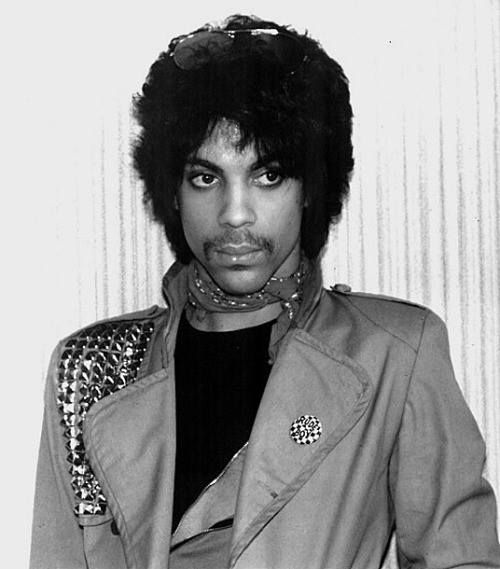
Prince with his backing band in a photoshoot for 1999, 1982.
The post-Apple takeover artists, however, would carry on with their success. XTC's English Settlement reached the top five in the United Kingdom, but were not so fortunate with Mummer. Kate Bush's The Dreaming was her first to chart in the United States, at just #157, but it still managed to hit #3 in the United Kingdom amidst heavy competition for #1. Devo's New Traditionalists achieved a similar success to Freedom of Choice, but Oh, No! It's Devo did not fare so well due to their change in sound. Prince seemed to be on his way to superstardom by putting out Controversy in 1981 and 1999 the following year. The best was yet to come for Prince in 1984...

Joan Jett and the Blackhearts' I Love Rock 'n Roll would go on to become her biggest album to date, with the title track and "Crimson and Clover" being Top 10 hits. Although the follow-up, Album, contained more original material, it wasn't as successful commercially, but still did well enough with critics. Brenda Russell's Love Life and Two Eyes were also received fairly well. Carly Simon's Torch was recorded in the midst of her breakup with James Taylor and the follow-up, Hello Big Man, was released the year they divorced. Neither album hit the Top 40 in the United States.

The members of Yes, 1983.
Judie Tzuke's I Am the Phoenix, Shoot the Moon and Ritmo, on the other hand, all charted within the Top 40 in the United Kingdom, but none reached the heights of Sports Car. Yes made a comeback following a brief hiatus with 90125 and introduced a new generation of fans to the band, becoming their best selling album to date. Jon Anderson stated that he would be staying with Yes for the foreseeable future.

But of course, with success comes the inevitable downfalls. The Buggles' Adventures in Modern Recording could not live up to the success of The Age of Plastic, and due to Trevor Horn and Geoff Downes pursuing different paths, the band had broken up in 1982. Similarly, the Vapors' follow-up to New Clear Days, Magnets, did not achieve the same level of success, however minor it was, despite the positive reviews. David Fenton had left the group due to the fact he was about to start a family and Howard Smith had also left due to loss of interest. With no reason to continue, Steve Smith and Edward Bazalgette announced the Vapors' breakup.

New Signings
The members of Asia, 1982.
Only three new artists were signed up during the 1981-83 period. Well, technically two, as one of them, Asia, was formed while Steve Howe (Yes) and Geoff Downes (The Buggles) were signed onto the label, forming the supergroup with John Wetton (King Crimson, U.K.) and Carl Palmer (Emerson, Lake & Palmer). The quartet's self-titled debut album was released on 18 March 1982, backed by the hit singles "Heat of the Moment", "Only Time Will Tell" and "Sole Survivor". Their follow-up album, Alpha (26 July 1983), was backed by the singles "Don't Cry" and "The Smile Has Left Your Eyes".[8]

Out of the two official signings, Dramatis was perhaps the most unlucky of them. They only released one album in 1981, For Future Reference, but it failed to chart in the United Kingdom despite one of the singles, "Love Needs No Disguise" with Gary Numan, charting at #33 there. After several other failed singles, they broke up in 1982. Katrina and the Waves, however, seemed to be destined for greater things with their debut album Walking on Sunshine, backed by the title track being a Top 10 hit.[9]

Swan Song Artists, as of December 1983
  • Aerosmith (since 1977; part of Highway 61 Records 1973-1976)
  • Asia (since 1981)
  • Blue Öyster Cult (since 1977; part of Highway 61 Records 1975-1976)
  • Kate Bush (since 1977)
  • Alice Cooper (since 1977; part of Highway 61 Records 1974-1976)
  • Devo (since 1978)
  • Dave Edmunds (since 1977; also contracted to Highway 61 Records)
  • Genesis (since 1977; part of Highway 61 Records 1975-1976)
    • Tony Banks (since 1979)
    • Kim Beacon (since 1979)
    • Mike Rutherford (since 1979)
  • Debbie Harry (since 1981; member of Blondie 1974-1982)
  • Joan Jett and the Blackhearts (since 1979)
  • Katrina and the Waves (since 1983)
  • Iggy Pop (since 1978; part of Highway 61 Records 1976-1977)
  • Prince (since 1978)
  • Brenda Russell (since 1979)
  • Carly Simon (since 1979)
  • Judie Tzuke (since 1979)
  • XTC (since 1977)
  • The Yardbirds (since 1974)
  • Yes (since 1980)
Departed Swan Song Artists
  • Kevin Ayers (1978-1981; part of Highway 61 Records 1976-1977)
  • Bad Company (1974-1982)
  • Blondie (1977-1982; part of Highway 61 Records 1976)
  • Blue (1977-1979)
  • Maggie Bell (1974-1976)
  • The Buggles (1978-1982)
  • Detective (1977-1979)
  • Dr. John (1977-1983; part of Highway 61 Records 1975-1976)
  • Dramatis (1981-1982)
  • The Pretty Things (1974-1976)
  • Sad Café (1976-1981)
  • The Vapors (1979-1981)

Various Artists - The Best of Apple Records Vol. 7: 1981-1983
Released: 19 February 2010
Recorded: 1980-1983
Producer: Various

Track listing
Swords of a Thousand Men [Tenpole Tudor]
Stop Draggin' My Heart Around [Stevie Nicks feat. Tom Petty & Mudcrutch]
Hold on Tight [Electric Light Orchestra]
Hang Fire [The Rolling Stones]
Woman [The Beatles]
Under Pressure [Smile and David Bowie]
Good Year for the Roses [Elvis Costello]
Town Called Malice [The Jam]
Iron Fist [Motörhead]
House of Fun [Madness]
Wasted on the Way [Crosby, Stills & Nash]
Lovely Money [The Damned]
Rock the Casbah [The Clash]
Love in Store [Fleetwood Mac]
Billie Jean [Michael Jackson]
Sweet Dreams (Are Made of This) [Eurythmics]
The Shape You're In [Eric Clapton]
Misty Circles [Dead or Alive]
I'm Still Standing [Elton John]
They Don't Know [Tracey Ullman]

Apple's seventh "best of" compilation (#2 UK, #8 US) showcased how much music under the label had evolved in their first fifteen years, now comprised of mainstays from the 60s (Elton John, Fleetwood Mac) and 70s (Michael Jackson, Elvis Costello) along with the then-newer artists from the early 80s (Eurythmics, Dead or Alive). It was practically a melting pot of some of their greatest talents by this point, and critics and fans felt like the track selections best represented it.

Footnotes
  1. As Apple Films is still thriving in TTL, it absorbs a large amount of HandMade Films' filmography.
  2. For TTL, The Black Adder has the titular antihero as the smart one and Baldrick the stupid one, as would become the standard for the next three series - Blackadder II, Blackadder the Third and Blackadder Goes Forth.
  3. Because John Lennon did not die in TTL, "Empty Garden (Hey Hey Johnny)" does not get written. It was because of the song's inclusion that, to many people, saved Jump Up! from mediocrity all the way through. Bernie Taupin admitted in a 2010 interview that it was a disposable album, but "Empty Garden" made the it worth having.
  4. With Trevor Horn as a part of Apple, ZTT Records (short for Zang Tumb Tuum, although the Ts are sometimes reversed) does not form in this situation, although many of its artists do end up signing for Apple.
  5. Island of the Sun was an album that Neil Young recorded in May 1982 and originally sent over to Geffen Records, but David Geffen didn't think it was good enough.
  6. "Rockin' in the Free World" was actually written in February 1989 while on tour with the Restless. With an earlier Bush administration, it's very likely that Neil Young would've written it earlier as well.
  7. For Isolation, Dennis "Fergie" Frederiksen replaced Bobby Kimball on lead vocals, but he was disliked by the rest of Toto, and he was replaced with Joseph Williams for Fahrenheit. In TTL, Williams is invited to cover for Kimball and both eventually share lead vocals whenever they tour.
  8. In OTL, Greg Lake briefly filled in for John Wetton. The latter would return on the condition that Steve Howe was ousted, being replaced afterward with Mandy Meyer of Cobra. Meanwhile, Howe would form another supergroup, GTR, with Steve Hackett of Genesis, and their sole album was produced by Geoff Downes. In TTL, both Wetton and Howe remain in Asia, likely having sorted out their differences.
  9. In OTL, "Walking on Sunshine" became a hit after it was re-recorded for 1985's Katrina and the Waves, which featured re-recordings of tracks from their two albums under Attic Records (Walking on Sunshine, Katrina and the Waves 2). For TTL, the re-recordings do not take place.
Author's Comments

Well. This chapter took a long time to get ready, and I cannot apologize enough for the delay. I meant to have it ready last week, but I got sidetracked with various projects, pushing this on the backburner longer than I intended. I've only got four more chapters to cover before this first draft comes to an end, and all of them take place during 1984-1985. Hopefully none of them take up to a month in between them.

I wish I had more to say about this chapter, but I tell you; writing up these Apple Corps updates have gotten incredibly tedious and I'm glad that this is the last one for the first draft. I haven't included the 1981-1983 discographies because I simply couldn't be bothered. Again, very tedious to work on. Sorry if I sound pretty bummed out with this description, but I'm hoping to sound more positive for the next one.

Monday, December 14, 2020

Chapter 66: Hit Me With Your Best Shot (January 1978 - December 1980)

General Affairs for Apple Corps Ltd.
"Would you care for a rat, or...?" The famous climax of the final Fawlty Towers episode, Basil the Rat, in which the inspector Mr. Carnegie spots the titular rat in a tin of biscuits. The episode premiered on 25 October 1979, the delay was caused by a strike taking place at the BBC.
By the start of the 1970s, Apple Corps had mainly focused on putting out music. As the decade drew to a close, with the inclusion of Highway 61 Records and Swan Song Records as subsidiaries, Apple appeared to rival Berry Gordy, the head honcho of Motown, for a monopoly on the popular music industry. Not only that, they were greatly expanding on their role in the film industry, following the success of Mel Brooks' Blazing Saddles and Young Frankenstein, as well as the two Superman movies starring Christopher Reeve. It was inevitable that Apple Television would grow as well, with the second and final series of Fawlty Towers airing in February and March of 1979, with the final episode Basil the Rat premiering on 25 October that same year. Despite the popularity of the show, creator John Cleese (who also portrayed Basil Fawlty) had no intentions of writing a third series.

In the meantime, Apple Television focused mainly on comedies, which would include the likes of Not the Nine O'Clock News, Blackadder, The Comic Strip Presents...Only Fools and Horses'Allo 'Allo!, and The Young Ones. Many of the actors involved would be part of the growing Apple family for years to come. But one of their most famous productions would not be a comedy aimed at the adult audience, but rather, it would be aimed at a more general audience, mainly children.

In 1979, Reverend Wilbert Awdry was interviewed on the Bluebell Railway for a documentary on steam railways. One of the producers, Britt Allcroft, had read some of his Railway Series books for research before meeting him, and after becoming fascinated with the characters and stories, she offered to adapt them into a television series. Awdry was skeptical at first, even telling Allcroft that two previous attempts at adapting the books had failed. In 1953, the BBC had attempted to adapt The Sad Story of Henry, narrated by Julia Lang and directed by Douglas Mair. The 14 June broadcast was a disaster, especially when the model representing the character Henry the Green Engine derailed at a set of points, and a hand could be seen putting it back on the rails again. It was such an embarrassment that the 28 June broadcast was cancelled, and the footage of the 14 June broadcast was lost to time.

Brian Cosgrove animating what was supposed to be a pilot for Andrew Lloyd Webber's adaptation of the Reverend Wilbert Awdry's Railway Series books, 18 October 1976. Because of the books' scarcity in the United States, the market was uninterested, and so the project was cancelled. The pilot's fate is currently unknown.
The other previous attempt came from Andrew Lloyd Webber, a fan of the books, in 1973, wanting to produce a musical television series. A pilot episode had been produced, but by 1977, following the success of his musical Evita, Lloyd Webber had abandoned the project, focusing instead on theatrical musical productions under the Really Useful Company, named for a catchphrase in the books. "Once the Americans get hold of it, the whole series would be vulgarized and ruined!" Awdry was reported to have said.

Despite the warnings, Allcroft was undeterred and pursued the idea, hoping to source finances for production. Apple Corps were keen to provide the money and allow Allcroft to have full creative control. By the end of 1980, she was financially able to begin producing a show based upon the Railway Series, featuring many iconic characters including a certain little blue tank engine with six small wheels, a short stumpy funnel, a short stumpy boiler, and a short stumpy dome. She would even assemble a crew including director David Mitton (who suggested using live action model animation a la Gerry Anderson) and composers Mike O'Donnell and Junior Campbell; however, it would be a long time before the world finally got to see Thomas and his friends on television for the first time.

Apple Corps Executives, December 1980
Managing Director and Chairman of the Board: Brian Epstein
Vice Presidents: Peter Brown, Lord Beeching
Director Communications: Derek Taylor
General Counsels: Lee and John Eastman

Apple Records
President: Ron Kass
Vice President: Jack Oliver
Director of A&R: Jake Riviera
Director of Promotion and Marketing: Tony Bramwell
Director of Design: Josh Kosh
Studio Manager, Apple Studios: Geoff Emerick
Other Notable Figures: Mal Evans, Roy Thomas Baker

Apple Films and Apple Television
President: Denis O'Brien
Other Notable Figures: Michael Lindsay-Hogg, Mel Brooks, John Cleese, Terry Jones, Richard Donner, John Lloyd, Rowan Atkinson, David Mitton, Britt Allcroft

Apple Management
Director: Neil Aspinall
Associate Director: Mal Evans

Apple Publishing
Director: Alistair Taylor

Highway 61 Records
President: Jack Oliver
Vice President: Chris O'Dell
Directors of A&R: Pete Ham, Dennis Wilson

Swan Song Records
President: Peter Grant
Vice President: Alan Callan
Director of A&R: Dave Edmunds

The Artists of Apple Records

Old Signings
Elvis Costello performing live, 1978.
Jake Riviera's 1976 signings all achieved varying degrees of success, mostly within the positive range. The Clash's London Calling was regarded as one of the best albums of 1979 despite stalling out at #2 in the United Kingdom, and all three of Elvis Costello's albums (This Year's Model, Armed Forces and Get Happy!!) with his new backing band, the Attractions, hit #1 there as well, and his biggest singles included "Radio Radio", "Oliver's Army" and "I Can't Stand Up for Falling Down". When performing on Saturday Night Live in 1977, Costello had been scheduled to perform "Less Than Zero", but he switched at the last minute to "Radio Radio" instead, resulting in him being banned from SNL until the end of the 1980s.

In the midst of producing for some of Apple's newer artists, Nick Lowe released Jesus of Cool and Labour of Lust, along with singles such as "I Love the Sound of Breaking Glass". The Damned (Machine Gun Etiqutte, The Black Album, the single "Love Song"), the Jam (All Mod Cons, Setting Sons, Sound Affects, the single "Going Underground") and Motörhead (Overkill, Bomber, Ace of Spades) all also achieved Top 10 success. But as for Wreckless Eric, his sophomore album The Wonderful World of Wreckless Eric did not achieve the success of his debut album despite the single "Take the K.A.S.H." His last single under Apple Records was "Broken Doll", released March 1980.

Michael Jackson, 1979.
Most of Apple's veterans were still achieving success at the turn of the decade. A Single Man, The Thom Bell Sessions[1] and 21 and 33 were all Top 20 hits for Elton John and produced the likes of "Song for Guy", "Are You Ready for Love" and "Little Jeannie". It seemed as though the Rocket Man himself was unstoppable even as the world of music evolved. Splinter, meanwhile, still had success in the United Kingdom with Streets at Night and their eponymous 1980 album while struggling to break ground around other parts of the world, including the United States. Even though he was now a member of Yes, now contracted to Swan Song Records, Vangelis was still a part of the Apple roster, continuing to put out electronica albums Beaubourg, China and See You Later.

It was Michael Jackson who had some of the biggest success for Apple at the end of the 1970s with his first post-Motown album, Off the Wall, with the liner notes including a dedication to Diana Ross following her murder at the hands of Sid Vicious and Nancy Spungen in 1978. The lead single, "Don't Stop 'Til You Get Enough", was the biggest off of the album, later followed up by "Rock with You", "Off the Wall" and "She's Out of My Life". Although it was only released as a single in the United Kingdom, "Girlfriend" was given to Jackson by Paul McCartney for the album after it was demoed with the rest of Smile.

New Signings
Madness, 1979.
Madness and Tenpole Tudor were the only new signings by Jake Riviera for the remainder of the 1970s, both in 1979. When asked why he didn't sign up new artists in the previous two years, Riviera explained that he wanted Apple's newest signings to allow themselves to show off what they were capable of to see how well the punk scene would be received. With many of its artists achieving success in the United Kingdom, presumably because they were signed up to a label founded by the Beatles a decade prior, the label felt confident enough in signing on more punk and new-wave groups.

Apple Artists, as of December 1980
  • The Beatles (since 1968; contracted to EMI from 1968-1976)
    • George Harrison, John Lennon and Ringo Starr as The Ladders (1970-1976)
    • George Harrison and Ringo Starr as The Dark Horses (1977-1980)
    • Paul McCartney (1971-1980; affiliated with Smile 1972-1980)
  • David Bowie (since 1971; member of The Rolling Stones 1969-1976)
  • Eric Clapton (since 1968; member of Cream 1968-1971, member of the Dark Horses 1977-1980)
  • The Clash (since 1976)
  • Elvis Costello (since 1976)
  • Crosby, Stills & Nash (since 1968; with Neil Young 1969-1977)
    • Stephen Stills & Manassas (1971-1973; solo albums released on Highway 61 Records 1975-1976)
    • Neil Young (1971; solo works released on Highway 61 Records since 1973)
    • David Crosby and Graham Nash as Crosby & Nash (1972-1976)
  • The Damned (since 1976)
  • Electric Light Orchestra (since 1970)
  • Fleetwood Mac (since 1968)
  • Michael Jackson (since 1971; contracted to Motown from 1971-1975)
  • The Jam (since 1976)
  • Elton John (since 1969)
  • Denny Laine & Wings (since 1980)
  • Nick Lowe (since 1976)
  • Madness (since 1979)
  • Freddie Mercury (since 1973; member of Smile since 1980)
  • Motörhead (since 1976)
  • The Rolling Stones (since 1970)
    • Bill Wyman (1974, 1976)
  • Smile (since 1969; affiliated with Paul McCartney 1972-1980)
  • Splinter (since 1973)
  • Tenpole Tudor (since 1979)
  • Vangelis (since 1972; member of Aphrodite's Child 1967-1972, member of the Dark Horses 1977-1980, member of Yes since 1980)
Departed Apple Artists
  • Aphrodite's Child (1970-1972)
  • Badfinger (1968-1975)
  • Brute Force (1969)
  • Delaney & Bonnie (1969-1972)
  • Cream (1968-1971)
  • Chris Hodge (1972-1973)
  • Mary Hopkin (1968-1972)
  • Hot Chocolate (1969)
  • Radha Krishna Temple (1969)
  • Jackie Lomax (1968-1975)
  • Jimmy McCulloch and White Line (1975-1977)
  • Nazareth (1972-1975)
  • Yoko Ono (1969-1973)
  • Billy Preston (1969-1977)
  • Sex Pistols (1976-1979)
  • Ronnie Spector (1971-1972)
  • The Sundown Playboys (1972)
  • White Trash (1969)
  • Doris Troy (1969-1971)
  • Lon and Derrek Van Eaton (1972-1973)
  • Wreckless Eric (1976-1980)

The Artists of Highway 61 Records

Old Signings
Bob Dylan, 1979.
Highway 61 Records saw three departures by the end of 1978; Attitudes had broken up, as would Boxer due to Mike Patto's death from lymphatic leukemia on 4 March 1979, and Kiki Dee would leave before her last single under the label, "One Jump Ahead of the Storm", had come out. But what about those who would stay on? Bob Dylan had once again departed from his folksy roots with Street-Legal, and would convert to Christianity, which influenced the sound of Slow Train Coming and Saved, the latter of which would be regarded as one of his worst ever albums.

Dave Edmunds was kept busy producing for artists on both Highway 61 and Swan Song Records, but still found the time for releases such as Tracks on Wax 4 and Repeat When Necessary on the former label, as well as Seconds of Pleasure with Rockpile. Cliff Richard continued to have Top 40 hits in the United Kingdom, his biggest hit during that period being "We Don't Talk Anymore". Likewise, Supertramap's Breakfast in America had reached #1 in the United States, and its singles were also Top 20 hits there as well. Although Tina Turner had achieved minor success with Rough and Love Explosion, it would be a few years before she had a career resurgence.

Heart stayed on with Highway 61 Records even after the controversy surrounding the media over rumors of an incestuous relationship between Ann and Nancy Wilson, and even achieved success with Dog and Butterfly and Bébé le Strange. Rod Stewart, The Ramones and Patti Smith also achieved similar chart success. Harry Nilsson would put out Flash Harry in 1980, and it would be the last album released in his lifetime, with Losst and Founnd coming out in 1995, the year after his death from heart attack.[2]

Cheap Trick, 1978.
Cheap Trick's most successful album of the period was Dream Police, with the title track even hitting the Top 20 for three non-consecutive weeks. Likewise, the Talking Heads found success gradually growing from More Songs About Buildings and Food to Fear of Music to Remain in Light, the latter of which finally hit the Top 10 in America. Michael Jackson still found time to record with the Jacksons on Destiny and Triumph, though they would release albums sporadically due to Michael putting a solo career first. Apple veteran James Taylor released Flag in May 1979, his only major release during that period.

Toto released their eponymous debut album in October 1978, backed by the lead single "Hold the Line". Their work with Dennis Wilson would then carry over onto the follow up album Hydra and its main single "99", and then Turn Back, though it wouldn't be released until next year. Wilson also employed some of the members of Toto for his next solo album Bambu, and although it didn't achieve much success at the time, it would gradually gain a cult following.

New Signings
The Cars, 1979.
Colin Blunstone had signed onto Highway 61 Records for two albums; Never Even Thought and Late Nights in Soho. Afterwards, he left the label and disappeared from the music scene until the 1990s. His loss was more than made up for by bringing in the Cars ("Just What I Needed", "Let's Go", "Touch and Go") and Johnny Warman ("Head On Collision", "Automatic Kids") in 1978. This was later followed up by Huey Lewis and the News ("Exo-Disco", "Some of My Lies Are True") and the Lambrettas ("Go Steady", "Poison Ivy") in 1979 and 1980, respectively.

By that time, there was a rise of female pop artists that would soon carry over into the new decade. Pat Benatar's In the Heat of the Night and Crimes of Passion brought forth hits such as "Heartbreaker" and "Hit Me With Your Best Shot" which were Top 20 hits. Californian new wave group the Go-Go's would soon become the first all-female band that not only wrote their own songs, but played their own instruments as well, being fronted by vocalist Belinda Carlisle.

Highway 61 Artists, as of December 1980
  • Pat Benatar (since 1979)
  • Junior Campbell (since 1976; no new recordings since 1978)
  • The Cars (since 1978)
  • Cheap Trick (since 1976)
  • Bob Dylan (since 1973)
  • Dave Edmunds (since 1973; also contracted to Swan Song Records)
  • The Go-Go's (since 1980)
  • Heart (since 1975)
  • The Jacksons (since 1976)
  • The Lambrettas (since 1980)
  • Huey Lewis and the News (since 1979)
  • Harry Nilsson (since 1975)
  • Tom Petty & Mudcrutch (since 1974)
  • Ramones (since 1975)
  • Lou Reed (since 1976; member of Hunky Dory 1972-1978)
  • Cliff Richard (since 1973)
  • Patti Smith (since 1975)
  • Rod Stewart (since 1975)
  • Stephen Stills (since 1975; also contracted to Apple Records)
  • Supertramp (since 1974)
  • Talking Heads (since 1976)
  • James Taylor (since 1976; part of Apple Records 1968-1976)
  • Peter Tork (since 1973)
  • Toto (since 1977)
  • Tina Turner (since 1974; on hiatus)
  • Johnny Warman (since 1978)
  • Dennis Wilson (since 1975)
  • Ronnie Wood (since 1974; member of the Rolling Stones since 1975; member of the Dark Horses 1977-1980)
  • Neil Young (since 1973; also contracted to Apple Records)
Departed Highway 61 Artists
  • Attitudes (1976-1978)
  • Colin Blunstone (1978-1980)
  • Boxer (1975-1978)
  • Kiki Dee (1973-1978)
  • Hunky Dory (1976-1978)
  • L.A. Express (1973-1976)
  • Lynyrd Skynyrd (1973-1977)
  • Nigel Olsson (1974-1977)
  • Tom Scott (1973-1977)
  • Neil Sedaka (1974-1976)
  • Ravi Shankar (1973-1980)
  • Solution (1974-1977)
  • Stackridge (1973-1976)
  • Robert Wyatt (1976-1979; member of Hunky Dory 1972-1978)

The Artists of Swan Song Records

Old Signings
Kate Bush, 1980.
The only remaining artists from Swan Song Records pre-Apple acquisition (the Yardbirds notwithstanding) were Bad Company and Sad Café, both of which were still making hits from Desolation Angels and Facades, respectively. That wasn't to say that the artists they acquired from Highway 61 Records were any less successful; far from it. Aerosmith's Night in the Ruts was generally a hit among critics and fans, as were From the Inside and Flush the Fashion by Alice Cooper. Dr. John (City Lights, Tango Palace) and Blue Öyster Cult (Mirrors, Cultösaurus Erectus) were also generally successful, but it was Blondie who achieved the most success out of the transfers with four albums being released - Plastic Letters, Parallel Lines, Eat to the Beat and Autoamerican, the second of which produced the hit "Heart of Glass".

Scottish band Blue broke up after the release of Fool's Party and the album received no hits. Likewise, Detective had broken up with no new releases since 1977's It Takes One to Know One. On the other side of things, XTC had managed to achieve Top 40 success in the United Kingdom with White Music, Go 2, Drums and Wires and Black Sea, the latter of which even managed to breach the Top 40 in America.

Kate Bush achieved instant success when her debut single, "Wuthering Heights", topped the charts in the United Kingdom. Looking back retrospectively, Bush admitted that she didn't expect success this early, and was worried about being forced to make music and skip school. Fortunately, because she was in an understanding environment, Kate did not have to rush-release a new album following the success of The Kick Inside, and it's follow-up, Lionheart, would not be released until June 1979. Never for Ever would come out in September the following year.

New Signings
Prince, 1980.
Outside of the Buggles and former Hunky Dory members Kevin Ayers and Iggy Pop, 1978 saw the signing of Ohio-based band Devo, fronted by brothers Bob and Gerald Casale. Although their first three albums, Q: Are We Not Men? A: We Are Devo!, Duty Now for the Future and Freedom of Choice, were not Top 10 hits on either side of the Atlantic (although the first album came close at #12 in the United Kingdom), they still sold respectably and achieved hits such as "Whip It".

Prince Rogers Nelson - known mononymously as Prince - was destined for big things when he signed a record deal with Swan Song Records. Although his debut album, For You, didn't make much of a dent upon release, his 1979 eponymous album and 1980's Dirty Mind, however, did, with "I Wanna Be Your Lover" reaching the Top 10 in the United States, even topping the charts in the Hot R&B/Hip-Hop Songs.

1979 seemed to be a significant year for Swan Song Records as, with the exception of the Vapors, all of their new signings were female. Joan Jett and the Blackhearts (Bad Reputation), Brenda Russell (her eponymous debut album), Carly Simon (Come Upstairs) and Judie Tzuke (Welcome to the Cruise, Sports Car) all achieved success within the first year of being signed onto the label, with Simon having a bit of a career resurgence since departing Elektra Records. Now she was under a subsidiary of Apple much like her husband James Taylor. This was not to say that the Vapors were unsuccessful; New Clear Days did fairly well in the charts and with critics, as did the single "Turning Japanese", which even hit #3 in the United Kingdom.

Swan Song Artists, as of December 1980
  • Aerosmith (since 1977; part of Highway 61 Records 1973-1976)
  • Kevin Ayers (since 1978; part of Highway 61 Records 1976-1977)
  • Bad Company (since 1974)
  • Blondie (since 1977; part of Highway 61 Records 1976)
  • Blue Öyster Cult (since 1977; part of Highway 61 Records 1975-1976)
  • The Buggles (since 1978)
  • Kate Bush (since 1977)
  • Alice Cooper (since 1977; part of Highway 61 Records 1974-1976)
  • Devo (since 1978)
  • Dave Edmunds (since 1977; also contracted to Highway 61 Records)
  • Dr. John (since 1977; part of Highway 61 Records 1975-1976)
  • Genesis (since 1977; part of Highway 61 Records 1975-1976)
    • Tony Banks (since 1979)
    • Kim Beacon (since 1979)
    • Mike Rutherford (since 1979)
  • Joan Jett and the Blackhearts (since 1979)
  • Iggy Pop (since 1978; part of Highway 61 Records 1976-1977)
  • Prince (since 1978)
  • Brenda Russell (since 1979)
  • Sad Café (since 1976)
  • Carly Simon (since 1979)
  • Judie Tzuke (since 1979)
  • The Vapors (since 1979)
  • XTC (since 1977)
  • The Yardbirds (since 1974)
  • Yes (since 1980)
Departed Swan Song Artists
  • Blue (1977-1979)
  • Maggie Bell (1974-1976)
  • Detective (1977-1979)
  • The Pretty Things (1974-1976)

Various Artists - The Best of Apple Records Vol. 6: 1978-1980
Released: 20 November 2009
Recorded: 1977-1980
Producer: Various

Track listing
I Love the Sound of Breaking Glass [Nick Lowe]
Miss You [The Rolling Stones]
Radio Radio [Elvis Costello]
Take the Cash (K.A.S.H.) [Wreckless Eric]
The Great Rock 'N' Roll Swindle [The Sex Pistols ft. Eddie Tenpole]
Danger Zone [Splinter]
Love Comes to Everyone [The Ladders]
Love Song [The Damned]
Don't Bring Me Down [Electric Light Orchestra]
Don't Stop 'Til You Get Enough [Michael Jackson]
Think About Me [Fleetwood Mac]
Crazy Little Thing Called Love [Freddie Mercury]
London Calling [The Clash]
My Girl [Madness]
Going Underground [The Jam]
Little Jeannie [Elton John]
Thoroughfare Gap [Crosby, Stills & Nash]
Coming Up [Paul McCartney & Smile]
Ace of Spades [Motörhead]
Say You Don't Mind [Denny Laine & Wings]

Apple's sixth Best of compilation (#3 UK, #5 US) was all about the transition from one decade to another. There was a particular emphasis on punk and new-wave with many of its newer artists while the old guard either carried on with their own thing or attempted to adapt with the times with varied results. It remains to be seen how many of them will survive what the 1980s have in store for them.

Footnotes
  1. The Thom Bell Sessions replaces Victim of Love, which never gets recorded in this timeline.
  2. Losst and Founnd would not be released until 2019 in OTL.
Author's Comments

Well, here we go with the final chapter focusing on the 1978-1980 period of Phase Three! For the first time, an Apple update does not feature the discographies of the three labels. I was going to include them, but I decided to instead keep them on individual pages which you can see near the top of this page. Apple begins in 1968, Highway 61 in 1973, and Swan Song in 1974, with the post-Apple takeover discography from 1977 onward. And honestly, listing all the discographies for each artist is not a fun thing to do, and it comes off as a borderline chore. I want writing to be fun, and if I have to write up something just to get it posted online, then that's not something I want to do, voluntarily or otherwise.

There is one more Apple Corps update that I'll be working on much later, focusing on 1981-1983, and that could be a long while away. This will be the last post for 2020, as right now, I'm focusing on other projects unrelated to Strawberry Peppers, and I don't want to risk burning myself out. For the new year, posts might be a bit more sporadic to begin with, coming out every two or three weeks before returning to a regular schedule of two chapters per fortnight, with a weekly break in between, but I hope you understand where I'm going with this. For now, I want to wish you all a Merry Christmas, Happy New Year, and, well, happy holidays in general! Here's hoping 2021 will bring good things!

Monday, August 24, 2020

Chapter 56: New Rose (January 1976 - December 1977)

General Affairs for Apple Corps Ltd.
Margot Kidder as Lois Lane and Christopher Reeve as Clark Kent during the filming for Superman: The Movie, July 1977. The New York Daily News building would serve as the setting for the Daily Planet offices where Kent and Lane work in the film.
When Apple Corps Ltd. was first formed in 1968, people had no idea that one day, it would gradually boom into the company that shook up the world. In the past decade, it had morphed from starting out as a vanity label by the Beatles into a powerhouse company that handled not just music, but movies and television as well. Music released by the Beatles, the Ladders, and Paul McCartney & Smile were all originally distributed by EMI until January 1976, when Apple had decided to switch distributors to Warner Brothers instead, the company that also distributed Mel Brooks' Blazing Saddles and Young Frankenstein, both from 1974. To this day, Apple has remained attached to Warner Brothers, although Apple still operated as an independent company.

Speaking of Brooks, his next two films under Apple Films, Silent Movie (June 17, 1976) and High Anxiety (December 25, 1977) were both critical and commercial successes, the latter film of which being his third collaboration with Madeline Kahn, who was credited for the first time as Maddy Lennon (the nickname had been given to her by her husband John).

Alongside with the production of the Bee Gees' Odessa film, planned for a summer 1978 release, there was great anticipation for a film adaptation of DC Comics' most famous character, Superman, being directed by Richard Donner. An up-and-coming actor by the name of Christopher Reeve had been cast as the titular Man of Steel himself, with Canadian actress Margot Kidder set to portray his love interest, Lois Lane, Marlon Brando as his biological father on Krypton, Jor-El, and Gene Hackman as his archenemy, Lex Luthor. A second movie was being filmed alongside the first and was planned for a 1979 release, featuring Terence Stamp as General Zod, who would also appear in the first movie. Behind the scenes, negotiations were being made that if both Superman films were successful, then Apple Films would co-produce other films based upon other DC properties, including the likes of  Batman and Wonder Woman. This would eventually pave the way for what many would refer to either as the "Donnerverse" or the "Appleverse".[1]

The Band performing for the film The Last Waltz, directed by Martin Scorsese, November 25, 1976.
On November 25, 1976, Thanksgiving Day in the United States, the Band had made their final live performance on stage, having decided to retire from touring. Richard Manuel had suffered a severe neck injury in a boating accident in Texas, resulting in several tour dates being cancelled in order to allow Manuel to recover. The performance was to be filmed and recorded for release, and would include several guest performers, including Joni Mitchell, Neil Young, Muddy Waters, Bobby Charles, Ronnie Hawkins, and most famously, Bob Dylan.

Dylan was hesitant about being filmed, concerned that it would interfere with his own film project, Renaldo and Clara. Warner Brothers was intending to fund the project with the knowledge that Dylan would appear both in the film and its accompanying soundtrack; if he refused, then the label would pull out. George Harrison received a phone call from Robbie Robertson about the situation, and so Harrison offered to guarantee funding for the film following a meeting with Brian Epstein and Denis O'Brien. The Last Waltz would end up becoming an official Apple Films project, with filmmaker Martin Scorsese contracted to direct. (This would not be the last time that he would end up directing a film for Apple.)

George Harrison would appear on stage with the Band for their performance on "This Wheel's on Fire", and then he and Ringo Starr were among the guests for the celebrity finale of "I Shall Be Released". Harrison had also convinced Dylan backstage to allow his songs to be filmed and recorded, which ended up helping the success of The Last Waltz, later hailed as one of the greatest documentary concert films ever made. It was later selected by the Library of Congress for preservation in the National Film Registry for cultural and historical significance in 2019.

Apple Corps Executives, December 1977
Managing Director and Chairman of the Board: Brian Epstein
Vice Presidents: Peter Brown, Lord Beeching
Director Communications: Derek Taylor
General Counsels: Lee and John Eastman

Apple Records
President: Ron Kass
Vice President: Jack Oliver
Director of A&R: Jake Riviera
Director of Promotion and Marketing: Tony Bramwell
Director of Design: Josh Kosh
Studio Manager, Apple Studios: Geoff Emerick
Other Notable Figures: Mal Evans, Roy Thomas Baker

Apple Films and Apple Television
President: Denis O'Brien
Other Notable Figures: Michael Lindsay-Hogg, Mel Brooks, John Cleese, Terry Jones, Richard Donner

Apple Management
Director: Neil Aspinall
Associate Director: Mal Evans

Apple Publishing
Director: Alistair Taylor

Highway 61 Records
President: Jack Oliver
Vice President: Chris O'Dell
Directors of A&R: Pete Ham, Dennis Wilson

Swan Song Records
President: Peter Grant
Vice President: Alan Callan
Director of A&R: Dave Edmunds

The Artists of Apple Records

Old Signings
Kiki Dee and Elton John during the recording sessions for "Don't Go Breaking My Heart", 1976.
By the end of 1975, the roster for Apple Records was growing stagnant. Part of the blame fell onto Roy Thomas Baker due to prioritizing producing with Nazareth, Paul McCartney & Smile and Freddie Mercury, and so he voluntarily stepped aside from his position as A&R director with Mal Evans serving the role temporarily until a more permanent replacement could be found.

The artists who had stuck around since the late 60s/early 70s had varied success alongside the Beatles and their side careers, Crosby, Stills, Nash & Young, the Rolling Stones and Electric Light Orchestra. The most successful artists of the 1976-77 period were Fleetwood Mac with Rumours (along with singles such as "Go Your Own Way" and "Don't Stop") and Elton John with the duet "Don't Go Breaking My Heart" with Highway 61 artist Kiki Dee. In fact, Rumours would become Apple's biggest selling album of 1977.

On the flip-side of things, Billy Preston did not achieve Top 10 success with either of his 1976 eponymous album or 1977's A Whole New Thing. He later left Apple Records by the end of 1977, having fulfilled his contract, although he would still occasionally perform with the Beatles either individually or as a whole unit until his death in 2006. Following In the Pocket and the lead single "Shower the People", James Taylor would transfer to Highway 61 Records beginning with JT and its singles "Handy Man" and "Your Smiling Face".

Left to right: Michael Jackson as Scarecrow, Nipsey Russell as Tin Man, Diana Ross as Dorothy Gale and Ted Ross as Cowardly Lion in a promotional photo for The Wiz, released 1978. Despite being a critical and commercial failure, it has since become a cult classic among black audiences, Jackson's fanbase and enthusiasts of Oz.
Eric Clapton had modest success with No Reason to Cry, as did Splinter with Two Man Band, but only in the UK in the latter's case. Michael Jackson did not release anything during this period, as he was filming for The Wiz, an adaptation of The Wizard of Oz, with a screenplay by Joel Schumacher, in which Jackson played the Scarecrow alongside Diana Ross as Dorothy Gale. The film would come out in 1978 as a joint production between Motown Productions and Apple Films, but it would not be a critical or financial success upon release.

Vangelis continued working on his own projects alongside his work with the Dark Horses, but as for Jimmy McCulloch, despite "Medicine Jar" not being a Top 10 hit in either America or the United Kingdom, he formed White Line with his brother Jack on drums and Dave Clarke on bass, keyboards and vocals. They released one other single in 1976, "Call My Name"/"Too Many Miles", and put out the album Too Many Miles that same year. The group would split up in 1977, with McCulloch also departing to join the reformed Small Faces. McCulloch died on 27 September 1979 from heart failure due to morphine and alcohol poisoning at 26 years old.

Despite the successes from that period, this would not have been a sustainable model for Apple Records, especially considering that its sister label Highway 61 was thriving due to an influx of new, young artists signed in by Pete Ham and Dennis Wilson. Ham was soon called home to his native England by Peter Brown to see if he could repeat the success that was had with Highway 61.

New Signings
Jake Riviera, the new A&R director of Apple Records beginning in 1976. The date of the picture is unknown, but is estimated to be around the mid-to-late 70s.
Upon arrival in London, Ham went to various clubs and bars to find young, up-and-coming acts, and made the discovery of a new musical movement similar to what he had initially heard in New York. This new sound was more back-to-basics compared to progressive rock bands such as Genesis, the Yardbirds and Pink Floyd, but it would gradually spawn punk, pub rock and new wave music, and Pete Ham figured that this would be the sound of the future. He met with singer-songwriter Nick Lowe in a London club and then Lowe's manager Jake Riviera.

Riviera also managed several other up-and-coming artists and was able to easily impress Ham with his knowledge of the rising punk scene. A week later, Riviera informed Ham that he was thinking of starting an independent label that would focus on the punk scene. Ham then informed Riviera about Apple looking for an A&R director and figured that he could help in refocusing the label on that scene. After meeting with several Apple executives such as Peter Brown, Ron Kass, and even Paul McCartney, Riviera was hired as the new A&R director for Apple Records.

Brian Epstein was left feeling very skeptical about bringing in some punk bands to Apple, but Paul McCartney convinced him that it was no different to Epstein himself first discovering the Beatles fifteen years prior during the beat movement. Just... newer. Epstein, still skeptical, agreed to give Riviera's new signings the benefit of the doubt.

The Damned, 1976.
With Pete Ham's help - who would later leave in June to resume his duties at Highway 61 Records - Jake Riviera had signed up a host of new artists to Apple from London's underground scene. These artists included the Jam, Motörhead, the Damned, the Clash, Wreckless Eric, Elvis Costello and the Sex Pistols. Nick Lowe had also been signed up not only to record music, but to serve as producer to some of the other artists as well, as was Dave Edmunds, another Highway 61 Records artist.

The first release from any of the new Apple signings came out on 18 October with the Damned's single "New Rose", backed with a cover version of "Help!". Epstein's skepticism seemed to be confirmed when the single only managed to reach #81 in the United Kingdom, worrying that this would mean the end of Apple Corps altogether by the end of the 70s. In later years, "New Rose" would become a cult classic and be acknowledged as the first punk single released in the United Kingdom.

Fortunately, Epstein's fears would be dissuaded the following year when releases such as Elvis Costello's "Less Than Zero" (#17), the Jam's "In the City" (#40), Wreckless Eric's "Whole Wide World" (#20) and the Clash's "Remote Control" (#17) would become Top 40 hits in their own right, as did their debut records. The fact that they were on the same label as the members of the Beatles certainly got people talking about them, as well as raising concerns from overprotective parents about the music being a dangerous influence on their children, much like they had over the behavior of the Rolling Stones in the 60s and the rock 'n' roll tone of the music of Chuck Berry and Elvis Presley in the 50s.

The Sex Pistols were perhaps the most infamous of the new signings, due to the behavior of the members throughout 1976 and 1977, such as swearing on the Today program, hosted by Bill Grundy, due to being last-minute replacements for Freddie Mercury due to a dental appointment. This made headlines on the Daily Mirror, as did their controversial single "God Save the Queen", coming out the same year as Queen Elizabeth's Silver Jubilee. It reached #2 in the United Kingdom, being left off of the top spot by Rod Stewart's double A-side "The First Cut is the Deepest"/"I Don't Want to Talk About It", resulting in accusations that the chart positions were rigged.[2]

The Artists of Highway 61 and Swan Song Records

Old Signings (Highway 61 Records)
Lynyrd Skynyrd, 1977.
Once his business in England was completed, Pete Ham returned to Los Angeles to resume his duties at Highway 61 Records. Dennis Wilson and the rest of the team had managed very well in his absence, as a hands-off model had been set up by Apple, allowing artists to record on their own without label interference, often outside of Los Angeles, which was necessary for many of the bands based in New York. Pete Ham, Dennis Wilson, Peter Tork and Dave Edmunds (the latter of whom was also busy at Swan Song Records) were often kept busy producing for and with the likes of Kiki Dee, Harry Nilsson, Cliff Richard and Supertramp, often putting out Top 40 hits.

Ham was generally keeping busy working with up-and-coming acts such as Patti Smith and the Ramones, the latter of whom put out "Blitzkrieg Bop", which would later become their signature song. He also helped to produce Blondie's eponymous debut album, released towards the end of the year. Dennis Wilson, meanwhile, worked with Blue Öyster Cult on Agents of Fortune, which produced the big hit "(Don't Fear) The Reaper". The following year, BÖC would transfer to Swan Song Records along with Alice Cooper, Aerosmith, Blondie and Dr. John, although they would continue to record future hits there as well.

Spotlight mainstays Bob Dylan (Desire) and Rod Stewart (A Night on the Town, Foot Loose & Fancy Free) each put out an album that was a Top 10 hit while Tina Turner took on a recording hiatus due to an ongoing divorce with her husband Ike, whom she accused of being abusive in the past. Boxer put out their third album Absolutely before dissolving in 1978 due to Mike Patto's health. Among the other departures included L.A. Express, Neil Sedaka, Stackridge, Tom Scott, Nigel Olsson and Solution. Lynyrd Skynyrd would also leave Highway 61 Records following a tragic plane crash on October 20, 1977, which killed lead vocalist Ronnie Van Zant and the Gaines siblings Steve and Cassie as well as road manager Dean Kilpatrick and pilots Walter McCreary and William Gray. Ironically, it was three days following the release of Street Survivors. The surviving members went their own separate ways.

New Signings (Highway 61/Swan Song Records)
The Jacksons in Los Angeles, 1976.
Following the end of their contract with Motown, the Jackson 5, now called the Jacksons, were signed onto Highway 61 Records at the start of 1976, and both The Jacksons and Goin' Places (released 1977) were Top 10 hits on the Billboard R&B Charts. That same year, American-based rock bands Attitudes (Los Angeles), the Talking Heads (New York) and Cheap Trick (Rockford, Illinois) would be signed onto Highway 61 Records by Pete Ham, with the latter two putting out albums the following year and later obtaining chart success. Attitudes would later split up at the start of 1978.

In 1968, a Scottish pop rock band called Marmalade, formerly Dean Ford and the Gaylords, had covered the Beatles' "Ob-La-Di, Ob-La-Da" and it reached #1 in the United Kingdom, becoming the first Scottish act to do so. Eight years later, former Marmalade member Junior Campbell would be signed onto Highway 61 Records and put out a few singles. Although Campbell would not put out new singles after 1978, he would still remain attached to Apple and formed a partnership with bass guitarist Mike O'Donnell, which would become even stronger when it came to working on a certain children's show based upon a series of books by a clergyman...

Kate Bush, one of Swan Song Records' most successful artists, 1977.
Meanwhile, Swan Song Records had gained a few new artists itself, those being transferred from Highway 61 notwithstanding. These included a Scottish pop rock band called Blue, Anglo-American band Detective, Swindon-based band XTC, and a young singer by the name of Kate Bush. Despite being at the young age of sixteen (later seventeen) in 1975, Bush had written over fifty songs and her family produced a demo tape based on the compositions. David Gilmour had taken interest in the recordings after receiving the demo from mutual friend Ricky Hopper, and helped get Bush signed onto EMI.

However, Bush was put on retainer until she was nineteen years old, meaning that she wouldn't be able to record her own material until August 1977. Pete Ham had heard of Bush's talents and brought this up to Jack Oliver and Dennis Wilson, feeling that young Kate had great potential as a singer/songwriter, possibly being someone who could almost rival the Beatles in their youth when their songwriting developed. There was a bit of dispute between EMI and Apple over who should have the rights to have Bush's contract, but in the end, she was transferred over onto Swan Song Records and with her backing band Del Palmer, Brian Bath and Vic King, Kate began to record her first album in August 1977. David Gilmour was less than pleased with the development, but he couldn't think too much about it due to other matters at hand.

The only new artist signed onto Highway 61 Records in 1977 was Los Angeles-based band Toto, signed up by Dennis Wilson. While initially named for the dog Toto from The Wizard of Oz, in Latin, the words "in toto" translated to "all-encompassing". Band members Bobby Kimball, Steve Lukather, David Hungate, Steve Porcaro, David Paich and Jeff Porcaro had all played on so many records up to 1977 as well as many varied musical genres, and so the name "Toto" seemed appropriate for the band, who would go on to be one of the label's most successful artists.

Apple Records discography, January 1976 - December 1977

Albums
  • Red and Black Blues by The Rolling Stones - 23 January 1976 (#2 UK, #1 US)
  • Rock 'n' Roll by The Beatles - 30 January 1976 (#1 UK and US) [EMI]
  • Wind on the Water by Crosby & Nash - 30 January 1976 (#16 US)
  • Stone Alone by Bill Wyman - 27 February 1976 (#166 US)
  • In the Pocket by James Taylor - 18 June 1976 (#14 US)
  • Long May You Run by Crosby, Stills, Nash & Young - 6 August 1976 (#12 UK, #26 US)
  • No Reason to Cry by Eric Clapton - 27 August 1976 (#5 UK, #12 US)
  • Between the Ladders by The Ladders - 17 September 1976 (#6 UK, #1 US)
  • A New World Record by Electric Light Orchestra - 24 September 1976 (#6 UK, #5 US)
  • Too Many Miles by Jimmy McCulloch and White Line - 15 October 1976 (#29 UK)
  • Blue Moves by Elton John - 22 October 1976 (#3 UK and US)
  • Billy Preston by Billy Preston - 19 November 1976 (#17 UK, #22 US)
  • Silly Love Songs by Paul McCartney & Smile - 26 November 1976 (#2 UK, #1 US)
  • Albedo 0.39 by Vangelis - 3 December 1976 (#18 UK)
  • Somebody to Love by Freddie Mercury - 10 December 1976 (#1 UK) [extended play]
  • Rumours by Fleetwood Mac - 4 February 1977 (#1 UK and US)
  • Damned Damned Damned by The Damned - 18 February 1977 (#36 UK)
  • The Clash by The Clash - 8 April 1977 (#10 UK, #97 US)
  • In the City by The Jam - 20 May 1977 (#17 UK)
  • Yacht Folks by Crosby, Stills, Nash & Young - 17 June 1977 (#23 UK, #2 US)
  • A Whole New Thing by Billy Preston - 1 July 1977 (#30 US)
  • Thirty-Three & 1/3 by The Dark Horses - 15 July 1977 (#20 UK, #2 US)
  • Sound and Vision by David Bowie and Iggy Pop - 15 July 1977 (#2 UK, #11 US)
  • My Aim is True by Elvis Costello - 22 July 1977 (#12 UK, #20 US)
  • Motörhead by Motörhead - 19 August 1977 (#31 UK)
  • Two Man Band by Splinter - 26 August 1977 (#19 UK)
  • Concerto for a Rainy Day by Electric Light Orchestra - 23 September 1977 (#4 UK and US)
  • Champions of the World by Freddie Mercury - 7 October 1977 (#1 UK, #3 US)
  • Water Works by Paul McCartney & Smile - 28 October 1977 (#3 UK, #2 US)
  • Never Mind the Bollocks, Here's the Sex Pistols by The Sex Pistols - 28 October 1977 (#1 UK, #106 US)
  • Music for Pleasure by The Damned - 18 November 1977 (#65 UK)
  • This is the Modern World by The Jam - 18 November 1977 (#20 UK, #198 US)
  • Spiral by Vangelis - 2 December 1977 (#76 UK)
Notable Singles
  • "Prison Song" / "Through My Sails" by Crosby, Stills, Nash & Young - 5 January 1976 (#38 UK, #15 US)
  • "Grow Some Funk of Your Own" / "I Feel Like a Bullet (In the Gun of Robert Ford)" by Elton John - 12 January 1976 (#10 US)
  • "Station to Station" /  "Crazy Mama" by The Rolling Stones - 19 January 1976 (#26 UK, #33 US)
  • "Rhiannon" / "Sugar Daddy" by Fleetwood Mac - 4 February 1976 (#30 UK, #7 US)
  • "Take the Money and Run" / "Out of the Darkness" by Crosby & Nash - 9 February 1976 (#52 US)
  • "Medicine Jar" / "Wino Junko" by Jimmy McCulloch and White Line - 23 February 1976 (#35 US)
  • "Pinball Wizard" / "Harmony" by Elton John - 12 March 1976 (#5 UK)
  • "You're Sixteen" / "Stand By Me" by The Beatles - 15 March 1976 (#1 UK and US) [EMI]
  • "Hot Stuff" / "Golden Years" by The Rolling Stones - 12 April 1976 (#8 UK, #10 US)
  • "Say You Love Me" / "Monday Morning" by Fleetwood Mac - 31 May 1976 (#28 UK, #10 US)
  • "Shower the People" / "I Can Dream of You" by James Taylor - 7 June 1976 (#16 US)
  • "Don't Go Breaking My Heart" / "Snow Queen" by Elton John and Kiki Dee - 21 June 1976 (#1 UK and US)
  • "Long May You Run" / "Time After Time" by Crosby, Stills, Nash & Young - 9 August 1976 (#71 UK, #24 US)
  • "#9 Dream" / "This Song" by The Ladders - 23 August 1976 (#23 UK, #9 US)
  • "Call My Name" / "Too Many Miles" by Jimmy McCulloch and White Line - 6 September 1976 (#45 UK, #58 US)
  • "Silly Love Songs" / "Tie Your Mother Down" by Paul McCartney & Smile - 27 September 1976 (#1 UK and US)
  • "Livin' Thing" / "Rockaria!" by Electric Light Orchestra - 4 October 1976 (#4 UK, #13 US)
  • "New Rose" / "Help!" by The Damned - 18 October 1976 (#81 UK)
  • "Hello Old Friend" / "All Our Past Times" by Eric Clapton - 25 October 1976 (#22 US)
  • "Sorry Seems to Be the Hardest Word" / "Shoulder Holster" by Elton John - 1 November 1976 (#8 UK, #2 US)
  • "Taken at All" / "Black Coral" by Crosby, Stills, Nash & Young - 1 November 1976 (#39 US)
  • "Somebody to Love" / "Good Old-Fashioned Lover Boy" by Freddie Mercury - 15 November 1976 (#1 UK, #9 US)
  • "Crackerbox Palace" / "Move Over Miss L" by The Ladders - 15 November 1976 (#19 UK, #7 US)
  • "I've Got the Spirit" / "Girl" by Billy Preston - 22 November 1976 (#39 US)
  • "Anarchy in the U.K." / "I Wanna Be Me" by The Sex Pistols - 29 November 1976 (#38 UK)
  • "Long Away" / "Let 'Em In" by Paul McCartney & Smile - 6 December 1976 (#10 UK, #2 US)
  • "Go Your Own Way" / "Silver Springs" by Fleetwood Mac - 20 December 1976 (#22 UK, #4 US)
  • "Leaving Here" / "White Line Fever" by Motörhead - 5 January 1977
  • "Carnival" / "Hungry" by Eric Clapton - 24 January 1977
  • "Crazy Water" / "Chameleon" by Elton John - 31 January 1977 (#20 UK)
  • "Time to Hide" / "Teo Torriatte (Let Us Cling Together)" by Paul McCartney & Smile - 7 February 1977 (#5 UK, #8 US)
  • "Telephone Line" / "Do Ya" by Electric Light Orchestra - 14 February 1977 (#8 UK, #7 US)
  • "So It Goes" / "Heart of the City" by Nick Lowe - 14 February 1977 (#70 UK)
  • "Neat Neat Neat" / "Stab Your Back" by The Damned - 28 February 1977 (#74 UK)
  • "Less Than Zero" / "Radio Sweetheart" by Elvis Costello - 10 March 1977 (#17 UK)
  • "White Riot" / "1977" by The Clash - 17 March 1977 (#38 UK)
  • "Dreams" / "Songbird" by Fleetwood Mac - 24 March 1977 (#10 UK, #1 US)
  • "Wide Stride" / "Whole New Thing" by Billy Preston - 24 March 1977 (#29 US)
  • "Don't Stop" / "Gold Dust Woman" by Fleetwood Mac - 14 April 1977 (#4 UK, #1 US)
  • "The Goaldiggers Song" / "Brian, Jimmy, Elton and Eric" by Elton John - 21 April 1977
  • "In the City" / "Takin' My Love" by The Jam - 28 April 1977 (#40 UK)
  • "Remote Control" / "London's Burning" by The Clash - 13 May 1977 (#17 UK)
  • "Alison" / "Welcome to the Working Week" by Elvis Costello - 21 May 1977 (#38 UK)
  • "God Save the Queen" / "No Feeling" by The Sex Pistols - 27 May 1977 (#2 UK)
  • "Bite Your Lip (Get Up and Dance!)" / "Out of the Blue" by Elton John - 3 June 1977 (#24 UK, #17 US)
  • "Motorhead" / "City Kids" by Motörhead - 7 June 1977 (#19 UK)
  • "Just a Song Before I Go" / "Run from Tears" by Crosby, Stills, Nash & Young - 14 June 1977 (#57 UK, #4 US)
  • "You Make Loving Fun" / "Never Going Back Again" by Fleetwood Mac - 21 June 1977 (#26 UK, #8 US)
  • "Pretty Vacant" / "No Fun" by The Sex Pistols - 28 June 1977 (#6 UK)
  • "Stretcher Case Baby" / "Sick of Being Sick" by The Damned - 3 July 1977 (#58 UK)
  • "Wonderful Tonight" / "Pure Smokey" by The Dark Horses - 11 July 1977 (#29 UK, #3 US)
  • "Sound and Vision" / "Nightclubbing" by David Bowie and Iggy Pop - 18 July 1977 (#1 UK, #26 US)
  • "All Around the World" / "Carnaby Street" by The Jam - 18 July 1977 (#11 UK)
  • "(The Angels Wanna Wear My) Red Shoes" / "Mystery Dance" by Elvis Costello - 29 July 1977 (#26 UK)
  • "It's What You Value" / "Next Time You See Her" by The Dark Horses - 8 August 1977 (#16 US)
  • "Whole Wide World" / "Semaphore Signals" by Wreckless Eric - 15 August 1977 (#20 UK)
  • "Round & Round" / "I'll Bend for You" by Splinter - September 1977 (#26 UK)
  • "Complete Control" / "City of the Dead" by The Clash - 23 September 1977 (#24 UK)
  • "Problem Child" / "You Take My Money" by The Damned - 28 September 1977 (#35 UK)
  • "Fair Game" / "In My Dreams" by Crosby, Stills, Nash & Young - 30 September 1977 (#30 US)
  • "We Are the Champions" / "Spread Your Wings" by Freddie Mercury - 3 October 1977 (#2 UK, #4 US)
  • "Watching the Detectives" / "Blame it on Cain" by Elvis Costello - 10 October 1977 (#15 UK)
  • "Holidays in the Sun" / "Satellite" by The Sex Pistols - 17 October 1977 (#8 UK)
  • "Turn to Stone" / "Wild West Hero" by Electric Light Orchestra - 17 October 1977 (#6 UK, #13 US)
  • "The Modern World" / "Bricks and Mortar" by The Jam - 31 October 1977 (#30 UK)
  • "I'll Still Love You" / "Lay Down Sally" by The Dark Horses - 7 November 1977 (#28 UK)
  • "Mull of Kintyre" / "We Will Rock You" by Paul McCartney & Smile - 11 November 1977 (#1 UK, B-side #4 US)
  • "Don't Cry Wolf" / "One Way Love" by The Damned - 5 December 1977 (#47 UK)
  • "Mr. Blue Sky" / "The Whale" by Electric Light Orchestra - 12 December 1977 (#2 UK, #10 US)
Highway 61 Records discography, January 1976 - December 1977

Albums
  • Desire by Bob Dylan - 5 January 1976 (#3 UK, #1 US)
  • Below the Belt by Boxer - 9 January 1976 (#127 UK)
  • Raw Power by Hunky Dory - 16 January 1976 (#7 UK, #20 US)
  • Sandman by Harry Nilsson - 30 January 1976 (#96 US)
  • A Trick of the Tail by Genesis - 2 February 1976 (#2 UK, #25 US)
  • Gimme Back My Bullets by Lynyrd Skynyrd - 2 February 1976 (#30 UK, #18 US)
  • Ravi Shankar's Music Festival from India by Ravi Shankar - 6 February 1976
  • Mr. Mick by Stackridge - 1 March 1976 (#66 UK)
  • Steppin' Out by Neil Sedaka - 22 March 1976 (#35 US)
  • Attitudes by Attitudes - 9 April 1976 (#117 US)
  • Ramones by Ramones - 23 April 1976 (#99 US)
  • I'm Nearly Famous by Cliff Richard - 7 May 1976 (#3 UK, #61 US)
  • Rocks by Aerosmith - 14 May 1976 (#2 US)
  • Agents of Fortune by Blue Öyster Cult - 21 May 1976 (#19 UK, #6 US)
  • Illegal Stills by Stephen Stills - 21 May 1976 (#49 UK, #27 US)
  • ...That's the Way It Is by Harry Nilsson - 4 June 1976 (#106 US)
  • A Night on the Town by Rod Stewart - 18 June 1976 (#1 UK, #2 US)
  • Yes We Have No Mañanas (So Get Your Mañanas Today) by Kevin Ayers - 18 June 1976 (#82 US)
  • Alice Cooper Goes to Hell by Alice Cooper - 25 June 1976 (#17 UK, #19 US)
  • Bloodletting by Boxer - 20 August 1976 (#93 UK)
  • Hard Rain by Bob Dylan - 13 September 1976 (#3 UK, #17 US) [live album]
  • One More from the Road by Lynyrd Skynyrd - 13 September 1976 (#8 US) [live album]
  • Zuma by Neil Young and Crazy Horse - 8 October 1976 (#44 UK, #25 US)
  • Rock and Roll Heart by Lou Reed - 8 October 1976 (#40 UK, #49 US)
  • Radio Ethiopia by Patti Smith - 22 October 1976 (#63 US)
  • The Jacksons by The Jacksons - 5 November 1976 (#45 UK, #20 US)
  • American Girl by Tom Petty & Mudcrutch - 6 November 1976 (#20 UK, #36 US)
  • Blondie by Blondie - 3 December 1976 (#68 UK)
  • Wind & Wuthering by Genesis - 17 December 1976 (#4 UK, #13 US)
  • Leave Home by Ramones - 10 January 1977 (#32 UK, #75 US)
  • Kicks by Hunky Dory - 14 January 1977 (#11 UK, #23 US)
  • Cheap Trick by Cheap Trick - 11 February 1977 (#193)
  • Blow it Out by Tom Scott - 11 March 1977 (#82 US)
  • Every Face Tells a Story by Cliff Richard - 18 March 1977 (#6 UK, #47 US)
  • Good News by Attitudes - 25 March 1977
  • Even in the Quietest Moments... by Supertramp - 10 April 1977 (#7 UK, #10 US)
  • Kiki Dee by Kiki Dee - 24 April 1977 (#20 UK)
  • Little Queen by Heart - 6 May 1977 (#21 UK, #4 US)
  • Fully Interlocking by Solution - 10 June 1977 (#105 US)
  • JT by James Taylor - 22 June 1977 (#2 US)
  • Chrome Dreams by Neil Young - 1 July 1977 (#10 UK, #15 US)
  • Knnillssonn by Harry Nilsson - 22 July 1977 (#99 US)
  • The Idiot by Hunky Dory - 5 August 1977 (#6 UK, #38 US)
  • Absolutely by Boxer - 12 August 1977 (#68 UK, #143 US)
  • Pacific Ocean Blue by Dennis Wilson - 19 August 1977 (#96 US)
  • Lust for Life by Iggy Pop - 29 August 1977 (#19 UK, #70 US)
  • In Color by Cheap Trick - 12 September 1977 (#50 US)
  • Talking Heads: 77 by Talking Heads - 16 September 1977 (#57 UK, #89 US)
  • Street Survivors by Lynyrd Skynyrd - 17 October 1977 (#7 UK, #5 US)
  • Goin' Places by The Jacksons - 18 October 1977 (#22 UK, #10 US)
  • Seconds Out by Genesis - 21 October 1977 (#1 UK, #18 US) [live album]
  • Foot Loose & Fancy Free by Rod Stewart - 4 November 1977 (#3 UK, #2 US)
  • Rocket to Russia by Ramones - 4 November 1977 (#24 UK, #31 US)
  • Without You by Heart - 2 December 1977 (#17 US) [extended play]
Notable Singles
  • "Acid Queen" / "Let's Spend the Night Together" by Tina Turner - 19 January 1976 (#78 UK)
  • "Ain't Love Enough" / "The Whole World's Crazy" by Attitudes - 19 January 1976
  • "Entangled" / "A Trick of the Tail" by Genesis - 2 February 1976 (#29 UK, #36 US)
  • "Double Trouble" / "Gimme Back My Bullets" by Lynyrd Skynyrd - 9 February 1976 (#62 US)
  • "Mozambique" / "Oh, Sister" by Bob Dylan - 16 February 1976 (#41 US)
  • "Blitzkrieg Bop" / "Havana Affair" by Ramones - 16 February 1976 (#85 US)
  • "Gloria" / "My Generation" by Patti Smith - 8 March 1976
  • "Love in the Shadows" / "Don't Let It Mess Your Mind" by Neil Sedaka - 8 April 1976 (#16 US)
  • "Sail Away" / "Moonshine Bandit" by Harry Nilsson - 15 April 1976
  • "Devil Woman" / "Love On (Shine On)" by Cliff Richard - 22 April 1976 (#5 UK, #2 US)
  • "Carabino Lady" / "Southern Man" by Junior Campbell - 22 April 1976
  • "Get It up for Love" / "Girl We've Got to Keep On" by Nigel Olsson - 23 May 1976
  • "Last Child" / "Combination" by Aerosmith - 27 May 1976 (#10 US)
  • "Honey Don't Leave L.A." / "Lend a Hand" by Attitudes - 3 June 1976 (#76 US)
  • "(Don't Fear) The Reaper" / "Tattoo Vampire" by Blue Öyster Cult - 5 July 1976 (#10 UK, #4 US)
  • "I Never Cry" / "Go to Hell" by Alice Cooper - 12 July 1976 (#8 US)
  • "Heartless" / "Just the Wine" by Heart - 19 July 1976 (#11 US)
  • "I Can't Ask for Anymore Than You" / "Junior Cowboy" by Cliff Richard - 23 July 1976 (#10 UK, #37 US)
  • "Here Comes the Band" / "Pick Up" by Junior Campbell - 6 August 1976
  • "Sweet Summer Music" / "If We Want To" by Attitudes - 20 August 1976 (#99 US)
  • "Home Tonight" / "Pandora's Box" by Aerosmith - 27 August 1976 (#26 US)
  • "Tonight's the Night (Gonna Be Alright" / "The Ball Trap" by Rod Stewart - 3 September 1976 (#5 UK, #1 US)
  • "Gimme Three Steps (Live)" / "Free Bird (Live)" by Lynyrd Skynyrd - 10 September 1976 (#38 US)
  • "I Wanna Be Your Boyfriend" / "California Sun" by Ramones - 10 September 1976
  • "This Ain't the Summer of Love" / "Debbie Denise" by Blue Öyster Cult - 24 September 1976 (#57 US)
  • "Pissing in a River" / "Ask the Angels" by Patti Smith - 24 September 1976 (#47 US)
  • "Lookin' for a Love" / "Drive Back" by Neil Young - 8 October 1976
  • "American Girl" / "The Wild One, Forever" by Tom Petty & Mudcrutch - 22 October 1976 (#30 UK, #14 US)
  • "Enjoy Yourself" / "Style of Life" by The Jacksons - 29 October 1976 (#42 UK, #6 US)
  • "Without You" / "Devil Delight" by Heart - 1 November 1976 (#59 UK, #18 US)
  • "Back in the Saddle" / "Nobody's Fault" by Aerosmith - 5 November 1976 (#21 US)
  • "Hey Mr. Dream Maker" / "No One Waits" by Cliff Richard - 6 November 1976 (#19 UK)
  • "Loving and Free" / "Amoureuse" by Kiki Dee - 20 November 1976 (#13 UK)
  • "The Killing of Georgie" / "Fool for You" by Rod Stewart" - 6 December 1976 (#2 UK, #26 US)
  • "Pumping (My Heart)" / "Distant Fingers" by Patti Smith - 6 December 1976 (#54 US)
  • "Show You the Way to Go" / "Blues Away" by The Jacksons - 6 January 1977 (#1 UK, #15 US)
  • "I Remember You" / "I Don't Wanna Walk Around With You" by Ramones - 10 January 1977
  • "Breakdown" / "Anything That's Rock 'n' Roll" by Tom Petty & Mudcrutch - 17 January 1977 (#38 US)
  • "Baby Hold On" / "Long Long Road" by Junior Campbell - 31 January 1977
  • "The First Cut is the Deepest" / "I Don't Want to Talk About It" by Rod Stewart - 11 February 1977 (#1 UK, #21 US)
  • "Your Own Special Way" / "It's Yourself" by Genesis - 18 February 1977 (#11 UK, #15 US)
  • "My Kinda Life" / "Nothing Left for Me to Say" by Rod Stewart - 25 February 1977 (#12 UK)
  • "Love Goes to Building on Fire" / "New Feeling" by Talking Heads - 25 February 1977
  • "Swallow My Pride" / "Pinhead" by Ramones - 18 March 1977 (#31 US)
  • "In a Stranger's Arms" / "Good News" by Attitudes - 25 March 1977
  • "First Thing in the Morning" / "Night Hours" by Kiki Dee - 7 April 1977 (#25 UK)
  • "Oh, Candy" / "Daddy Should Have Stayed in High School" by Cheap Trick - 21 April 1977
  • "Barracuda" / "Kick It Out" by Heart - 9 May 1977 (#47 UK, #5 US)
  • "Give a Little Bit" / "Downstream" by Supertramp - 16 May 1977 (#20 UK, #6 US)
  • "Sheena Is a Punk Rocker" / "I Don't Care" by Ramones - 23 May 1977 (#13 UK, #8 US)
  • "Nightbird" / "Unquiet Slumbers for the Sleepers" by Genesis - 6 June 1977 (#14 UK, #6 US)
  • "All I Think About Is You" / "Who Done It?" by Harry Nilsson - 13 June 1977 (#43 UK)
  • "When Two Worlds Drift Apart" / "That's Why I Love You" by Cliff Richard - 13 June 1977 (#39 UK)
  • "Handy Man" / "Bartender's Blues" by James Taylor - 20 June 1977 (#4 US)
  • "Give Me Some More" / "Empty Faces" by Solution - 20 June 1977
  • "Little Queen" / "Treat Me Well" by Heart - 25 July 1977 (#16 US)
  • "Your Smiling Face" / "If I Keep My Heart Out of Sight" by James Taylor - 12 September 1977 (#19 US)
  • "I Want You to Want Me" / "Oh Boy" by Cheap Trick - 12 September 1977 (#61 US)
  • "What's Your Name?" / "That Smell" by Lynyrd Skynyrd - 3 October 1977 (#5 US)
  • "You're in My Heart (The Final Acclaim)" / "You Got a Nerve" by Rod Stewart - 7 October 1977 (#3 UK, #4 US)
  • "Chicago" / "Stay With Me Baby" by Kiki Dee - 14 October 1977 (#23 UK)
  • "Goin' Places" / "Do What You Wanna" by The Jacksons - 21 October 1977 (#19 UK, #32 US)
  • "Rockaway Beach" / "Locket Love" by Ramones - 31 October 1977 (#5 UK)
  • "Babaji" / "From Now On" by Supertramp - 14 November 1977 (#40 UK)
  • "You Got That Right" / "I Know a Little" by Lynyrd Skynyrd - 5 December 1977 (#41 US)
  • "Psycho Killer" / "I Wish You Wouldn't Say That" by Talking Heads - 5 December 1977 (#74 US)
  • "Southern Girls" / "You're All Talk" by Cheap Trick - 19 December 1977
Swan Song Records discography, post-Apple takeover, January - December 1977

Albums
  • The Night Tripper by Dr. John - 11 February 1977
  • Burnin' Sky by Bad Company - 4 March 1977 (#15 US)
  • Detective by Detective - 8 April 1977 (#135 US)
  • Lace and Whiskey by Alice Cooper - 29 April 1977 (#25 UK, #29 US)
  • Get It by Dave Edmunds - 29 April 1977 (#209 US)
  • Another Night Time Flight by Blue - 15 July 1977 (#51 UK)
  • Fanx Ta-Ra by Sad Café - 9 September 1977 (#39 UK)
  • Malcolm Rebenneck by Dr. John - 7 October 1977
  • Spectres by Blue Öyster Cult - 18 November 1977 (#32 UK, #15 US)
  • Draw the Line by Aerosmith - 9 December 1977 (#8 US)
Notable Singles
  • "You and Me" / "It's Hot Tonight" by Alice Cooper - 11 April 1977 (#9 US)
  • "Juju Man" / "What Did I Do Last Night" by Dave Edmunds - 25 April 1977
  • "Burnin' Sky" / "Everything I Need" by Bad Company - 21 May 1977 (#78 US)
  • "(No More) Love at Your Convenience" / "I Never Wrote Those Songs" by Alice Cooper - 13 June 1977 (#35 UK)
  • "I Knew the Bride" / "Little Darlin'" by Dave Edmunds - 27 June 1977
  • "Recognition" / "Grim Reaper" by Detective - 4 July 1977
  • "Gonna Capture Your Heart" / "Bring Back the Love" by Blue - 18 July 1977 (#10 UK, #75 US)
  • "Get Out of Denver" / "Worn Out Pockets, Brand New Suits" by Dave Edmunds - 22 August 1977
  • "Black Rose" / "Immortal" by Sad Café - 12 September 1977 (#46 UK)
  • "Draw the Line" / "Bright Light Fright" by Aerosmith - 7 October 1977 (#30 US)
  • "Science Fiction" / "Dance Band" by XTC - 7 October 1977 (#37 UK)
  • "Godzilla" / "I Love the Night" by Blue Öyster Cult - 28 October 1977 (#23 US)
Apple Artists, as of December 1977
  • The Beatles (since 1968; contracted to EMI from 1968-1976)
    • George Harrison, John Lennon and Ringo Starr as The Ladders (1970-1976)
    • George Harrison and Ringo Starr as The Dark Horses (since 1977)
    • Paul McCartney (since 1971; affiliated with Smile since 1972)
  • David Bowie (since 1971; member of The Rolling Stones 1969-1976)
  • Eric Clapton (since 1968; member of Cream 1968-1971, member of the Dark Horses since 1977)
  • The Clash (since 1976)
  • Elvis Costello (since 1976)
  • Crosby, Stills, Nash & Young (since 1968)
    • Stephen Stills & Manassas (1971-1973; solo albums released on Highway 61 Records 1975-1976)
    • Neil Young (1971; solo works released on Highway 61 Records since 1973)
    • David Crosby and Graham Nash as Crosby & Nash (1972-1976)
  • The Damned (since 1976)
  • Electric Light Orchestra (since 1970)
  • Fleetwood Mac (since 1968)
  • Michael Jackson (since 1971; contracted to Motown from 1971-1975)
  • The Jam (since 1976)
  • Elton John (since 1969)
  • Nick Lowe (since 1976)
  • Freddie Mercury (since 1973)
  • Motörhead (since 1976)
  • The Rolling Stones (since 1970)
    • Bill Wyman (1974, 1976)
  • Sex Pistols (since 1976)
  • Smile (since 1969; affiliated with Paul McCartney since 1972)
  • Splinter (since 1973)
  • Vangelis (since 1972; member of Aphrodite's Child 1967-1972, member of the Dark Horses since 1977)
  • Wreckless Eric (since 1976)
Departed Apple Artists
  • Aphrodite's Child (1970-1972)
  • Badfinger (1968-1975)
  • Brute Force (1969)
  • Delaney & Bonnie (1969-1972)
  • Cream (1968-1971)
  • Chris Hodge (1972-1973)
  • Mary Hopkin (1968-1972)
  • Hot Chocolate (1969)
  • Radha Krishna Temple (1969)
  • Jackie Lomax (1968-1975)
  • Jimmy McCulloch and White Line (1975-1977)
  • Nazareth (1972-1975)
  • Yoko Ono (1969-1973)
  • Billy Preston (1969-1977)
  • Ronnie Spector (1971-1972)
  • The Sundown Playboys (1972)
  • White Trash (1969)
  • Doris Troy (1969-1971)
  • Lon and Derrek Van Eaton (1972-1973)
Highway 61 Artists, as of December 1977
  • Attitudes (since 1976)
  • Boxer (since 1975)
  • Junior Campbell (since 1976)
  • Cheap Trick (since 1976)
  • Kiki Dee (since 1973)
  • Bob Dylan (since 1973)
  • Dave Edmunds (since 1973; also contracted to Swan Song Records)
  • Heart (since 1975)
  • Hunky Dory (since 1976)
    • Kevin Ayers
    • Iggy Pop
    • Lou Reed
    • Robert Wyatt
  • The Jacksons (since 1976)
  • Harry Nilsson (since 1975)
  • Tom Petty & Mudcrutch (since 1974)
  • Ramones (since 1975)
  • Cliff Richard (since 1973)
  • Ravi Shankar (since 1973)
  • Patti Smith (since 1975)
  • Rod Stewart (since 1975)
  • Stephen Stills (since 1975; also contracted to Apple Records)
  • Supertramp (since 1974)
  • Talking Heads (since 1976)
  • James Taylor (since 1976; part of Apple Records 1968-1976)
  • Peter Tork (since 1973)
  • Toto (since 1977)
  • Tina Turner (since 1974)
  • Dennis Wilson (since 1975)
  • Ronnie Wood (since 1974; member of the Rolling Stones since 1975; member of the Dark Horses since 1977)
  • Neil Young (since 1973; also contracted to Apple Records)
Departed Highway 61 Artists
  • L.A. Express (1973-1976)
  • Lynyrd Skynyrd (1973-1977)
  • Nigel Olsson (1974-1977)
  • Tom Scott (1973-1977)
  • Neil Sedaka (1974-1976)
  • Solution (1974-1977)
  • Stackridge (1973-1976)
Swan Song Artists, as of December 1977
  • Aerosmith (since 1977; part of Highway 61 Records 1973-1976)
  • Bad Company (since 1974)
  • Blondie (since 1977; part of Highway 61 Records 1976)
  • Blue (since 1977)
  • Blue Öyster Cult (since 1977; part of Highway 61 Records 1975-1976)
  • Kate Bush (since 1977)
  • Alice Cooper (since 1977; part of Highway 61 Records 1974-1976)
  • Detective (since 1977)
  • Dave Edmunds (since 1977; also contracted to Highway 61 Records)
  • Dr. John (since 1977; part of Highway 61 Records 1975-1976)
  • Genesis (since 1977; part of Highway 61 Records 1975-1976)
  • Sad Café (since 1976)
  • XTC (since 1977)
  • The Yardbirds (since 1974)
Departed Swan Song Artists
  • Maggie Bell (1974-1976)
  • The Pretty Things (1974-1976)

Various Artists - The Best of Apple Records Vol. 5: 1976-1977
Released: 21 August 2009
Recorded: 1975-1977
Producer: Various

Track listing
Medicine Jar [Jimmy McCullloch]
You're Sixteen [The Beatles]
Hot Stuff [The Rolling Stones]
Shower the People [James Taylor]
Don't Go Breaking My Heart [Elton John and Kiki Dee]
Silly Love Songs [Paul McCartney & Smile]
New Rose [The Damned]
Somebody to Love [Freddie Mercury]
So It Goes [Nick Lowe]
Less Than Zero [Elvis Costello]
Don't Stop [Fleetwood Mac]
In the City [The Jam]
Remote Control [The Clash]
God Save the Queen [Sex Pistols]
Motorhead [Motörhead]
Just a Song Before I Go [Crosby, Stills, Nash & Young]
Wonderful Tonight [The Dark Horses]
Whole Wide World [Wreckless Eric]
Round and Round [Splinter]
Mr. Blue Sky [Electric Light Orchestra]

The fifth Best of Apple Records compilation (#5 UK, #2 US) was seen by many as even better than the fourth, perfectly showcasing how much the label had evolved in the past decade. The new artists signed onto the label at the time would later be called the first of Apple's Generation 2 artists, which spanned from 1976 to 1984, while the Generation 1 artists consisted of those signed onto the label between 1968 and 1975.

Footnotes
  1. The "Donnerverse" refers to the four Superman movies released between 1978 and 1987, as well as the related spin-off film from 1984, Supergirl. 2006's Superman Returns was not included despite director Bryan Singer taking a lot of cues from the older films. Other universes based upon DC properties have also been given their own fan nicknames; for example, the DC Animated Universe from 1992 to 2006 has often been referred to as the "Timmverse" or the "Diniverse", referring to Bruce Timm and Paul Dini, respectively, who first worked together on Batman: The Animated Series and together created the character of Harley Quinn.
  2. In TTL, Glen Matlock never left the Sex Pistols, with the band having never gotten Malcolm McLaren as their manager. As a result, Sid Vicious never joined the band to replace Matlock. The Sex Pistols will put out at least one other album at some point during 1978-1979, but we will also hear from Sid Vicious in the near future.
Author's Comments

Has it been six months since I last did an Apple Corps update? Holy cow! But at long last, I've finally got the 1976-1977 update completed! From this update onward, there won't be much to discuss regarding every artist individually (barring those that have already had story arcs taking place), but I think that the discographies featured should give you an idea on how well they fared.

And what a variety of artists I've featured! I should note that many of the artists I've had signed onto Apple, Highway 61 or even Swan Song were associated with the members of the Beatles at various points in history. For example, Steve Lukather has played on some of Ringo's albums and Elvis Costello co-wrote an album's worth of songs with Paul McCartney. Splinter was even signed onto Dark Horse Records in OTL, but now they're proper Apple artists.

And yes, there was a bit of intentional foreshadowing to a certain 80s project that Mike O'Donnell and Junior Campbell have worked on. That will also happen in TTL, and it'll become an Apple Television project. ;)